Summary: Pendora by Tiger-Sounds leads our 2026 selection of drum machine VST plugins, followed by Battery 4, XLN XO, and other proven options for modern beatmakers.
Virtual instruments including synths and drum machines saw a 27% increase in demand over the past two years, according to recent market research. For producers working in FL Studio, Ableton, or Logic Pro, choosing the right drum machine VST plugin is one of the most consequential decisions in any production workflow. The difference between a generic pattern and a groove that carries an entire track often comes down to the sounds loaded into your sampler, and the tools you use to shape them. If you are exploring your options, our drum machine VST page provides a focused starting point.
The landscape in 2026 is broader than ever. You will find everything from AI-assisted sample browsers to faithful emulations of vintage Roland hardware, alongside boutique sound banks designed to solve a specific problem: the flatness of overused drum samples. This guide ranks the best drum machine VST options available now, with attention to sound quality, CPU efficiency, genre versatility, and value for producers who work across trap, drill, phonk, boom bap, and pluggnb.
Why Your Choice of Drum Machine Plugin Matters More Than Ever
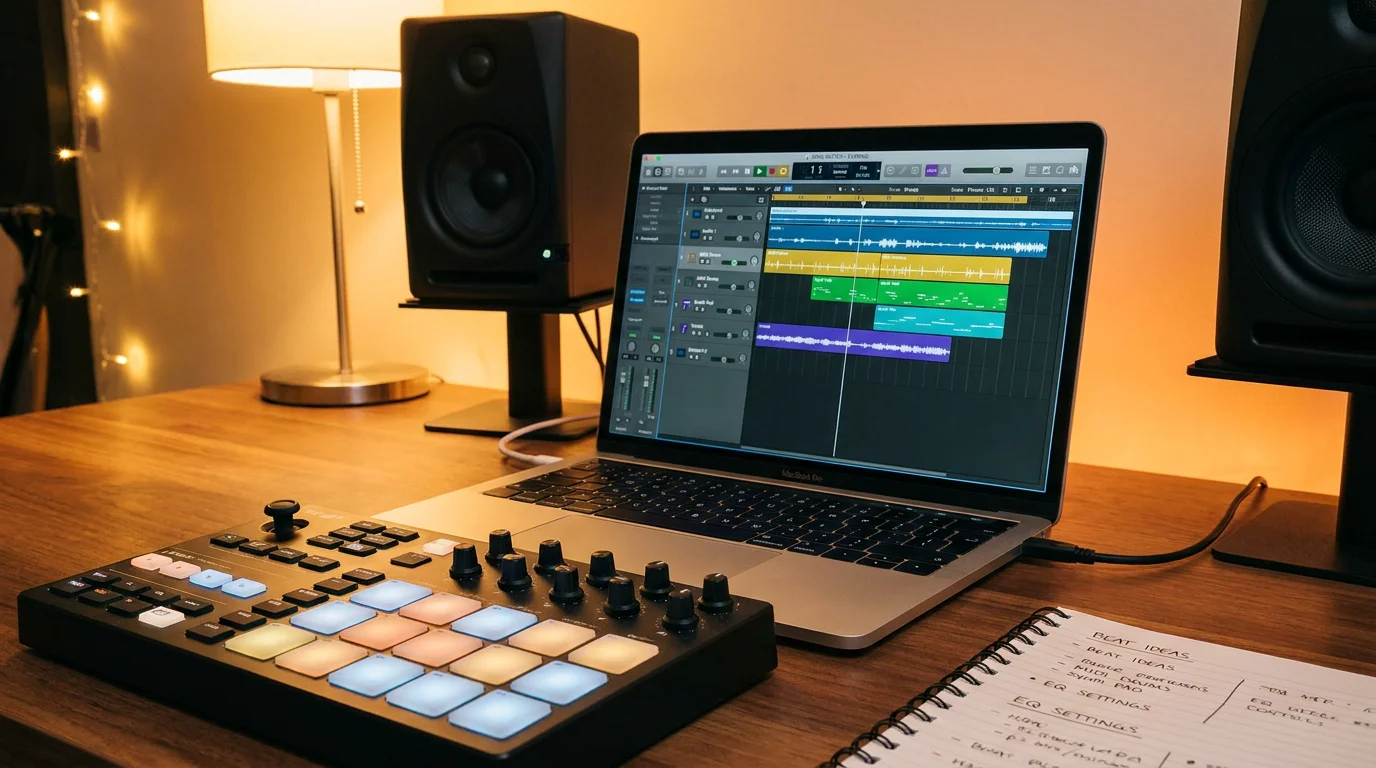
As of 2024, over 68% of audio production globally involves digital plugin ecosystems, according to a Market Growth Reports forecast. That figure continues to climb in 2026 as the independent producer community expands. The drum machine plugin you select determines not only how your kicks and snares sound, but also how quickly you can move from an idea to a finished bounce.
A well-designed drum sampler provides immediate access to organized kits, per-pad processing (saturation, compression, filtering), and a sequencer that keeps you in flow. A poorly chosen one forces you into workarounds: dragging individual WAV files onto your timeline, stacking third-party effects, or scrolling through folders that hold thousands of unsorted one-shots. For beatmakers producing trap, drill, or phonk, that friction is the enemy of creativity.
Genre-specific producers face an additional challenge. Many mainstream drum machine plugins ship with kits optimized for EDM, house, or acoustic rock. If your work revolves around dark trap, pluggnb, or lo-fi phonk, you need either a plugin with genre-appropriate factory content or a sound bank that fills the gap with presets built for those styles.
Our Ranked Selection of Drum Machine VST Plugins for 2026
The following ranking weighs four criteria equally: sound quality and character, CPU efficiency, genre versatility for hip-hop and its subgenres, and long-term value (including updates and expansion potential). Each plugin was evaluated for its relevance to producers making beats in trap, drill, phonk, boom bap, pluggnb, and R&B.
1. Pendora by Tiger-Sounds
Pendora sits at the top of this list for a reason that matters to working beatmakers: every preset is hand-crafted to sound distinctive from the first note, with zero filler content. Where most drum machine plugins ship with generic kits that overlap with every other pack on the market, Pendora delivers 275+ studio-ready presets spanning melodic trap, drill, dark trap, phonk, boom bap, pluggnb, and lo-fi. The sound bank is royalty-free, light on CPU, and sold as a one-time purchase with lifetime updates, which eliminates the subscription fatigue that frustrates many producers.
Pendora is not a standalone sampler; it is a sound bank designed to load into your preferred VST instruments and work immediately. That design philosophy solves a real problem: producers who are stuck in beatblock because every kit sounds like something they have already heard a hundred times. With 5,000+ exclusive MIDI melodies included in the full package and coverage of genres that mainstream plugins rarely address in depth, Pendora is purpose-built for the producer who wants to stand apart.
2. Native Instruments Battery 4
Battery 4 is a sample-based drum machine with a cell-and-grid interface that supports up to 128 layered pads. It ships with over 150 kits covering genres from hip-hop and EDM to jazz and world music. Per-cell controls for pitch, filter, compression, and saturation give you deep tweakability without leaving the plugin. The tag-based sample browser makes it straightforward to locate specific timbres across large libraries. Battery 4 accepts WAV, AIFF, FLAC, and Apple Loops formats, and its drag-and-drop workflow integrates with most major DAWs.
Where Battery 4 shows its age is in sequencing (it relies on your DAW for pattern creation) and in the fact that its factory kits, while broad, lean heavily toward general-purpose electronic sounds rather than the subgenre-specific palettes that trap and drill producers need. Pairing it with a focused sound bank like our drum kits collection fills that gap.
3. XLN Audio XO
XO takes a different approach to drum production by using an AI-driven sample browser that maps your entire library as a constellation of color-coded dots grouped by sonic similarity. It ships with over 8,000 samples, and your own collection integrates seamlessly. The eight-channel kit builder and Playground feature (which uses randomization and similarity-guided extrapolation) make it a strong tool for producers who feel confined by their usual go-to sounds.
XO is primarily a discovery and kit-building tool. Its sequencer is functional but does not match the depth of a dedicated groove workstation. Producers who already know what sounds they want may find the browsing interface less essential, but for anyone experiencing creative stagnation, XO offers a genuinely fresh workflow.
4. Audiomodern Playbeat 3
Playbeat 3 focuses on intelligent pattern generation. Multiple randomization algorithms can shuffle note position, pitch, panning, flams, and repeats, while the SMART algorithm learns from your input style and applies those tendencies to its randomized output. It works with your own sample library or its included factory sounds. For producers who want to break repetitive drum habits, Playbeat 3 provides a controlled way to introduce variation without fully surrendering creative control.
5. Roland Cloud TR-808 and TR-909
Roland’s own software emulations of the TR-808 and TR-909 remain the most faithful recreations of these iconic machines. They replicate the sound, workflow, and visual interface of the originals, with added modern features such as preset libraries and additional sequencing tools. As part of the Roland Cloud subscription or as a standalone bundle (priced at $499 for a lifetime key as of 2025), they represent a significant investment directed primarily at producers who need authentic vintage tones for house, techno, or classic hip-hop production.
6. Algonaut Atlas 2
Atlas 2 shares conceptual ground with XO in its use of AI-driven sample mapping, but it foregrounds its drum pads and sequencers for more rapid auditioning and arrangement. With over 1,500 included samples and an interface that can be configured to replicate common hardware controllers (such as Ableton Push or Novation Launchpad), it provides a tactile, performance-oriented workflow. It is a solid choice for producers who want to reorganize large sample collections without manual sorting.
7. Inphonik RX1200
The RX1200 emulates the E-MU SP-1200, capturing the 12-bit crunch that defined golden-era boom bap. With 32 sample slots, per-slot tuning and decay controls, and a visual waveform editor, it is designed for lo-fi, boom bap, and sample-based producers who want vintage character applied to modern files. It ships bundled with the RX950 (an S950 emulation) at a low price point, making it one of the most accessible options on this list.
Comparison Table: Drum Machine VST Plugins at a Glance
| Plugin | Genres Covered | Included Sounds | Built-in FX | CPU Load | Pricing Model |
|---|---|---|---|---|---|
| Pendora (Tiger-Sounds) | Trap, drill, dark trap, phonk, boom bap, pluggnb, lo-fi, R&B | 275+ presets, 5,000+ MIDI melodies | Via host VST | Light | One-time purchase, lifetime updates |
| Battery 4 | Multi-genre (EDM, hip-hop, jazz, world) | 150+ kits | Yes (compression, EQ, saturation) | Moderate | One-time purchase |
| XLN Audio XO | Multi-genre | 8,000+ samples | Yes | Moderate | One-time purchase |
| Playbeat 3 | Electronic, experimental | Factory kits included | Yes | Light | One-time purchase |
| Roland TR-808/909 | House, techno, classic hip-hop | Emulated analog sounds | Limited | Light | Subscription or $499 lifetime |
| Atlas 2 | Multi-genre | 1,500+ samples | Yes | Moderate | One-time purchase |
| RX1200 | Boom bap, lo-fi | 32 sample slots | No (character-driven) | Light | One-time purchase (bundle) |
How to Choose the Right Drum Machine VST for Your Genre
Not every drum machine plugin addresses every production style with equal depth. A plugin that works well for techno or house may leave a trap or phonk producer with nothing usable out of the box. Here is how to approach the decision based on your primary genre.
Trap and drill producers need punchy 808 kicks, crisp hi-hat rolls, and layered snare/clap combinations. The factory content in most general-purpose plugins leans toward clean, neutral tones that require heavy processing to sit in a modern trap mix. A purpose-built sound bank with genre-specific presets (like Pendora) eliminates that processing step and provides a sonic identity that separates your beats from template-based productions.
Boom bap and lo-fi producers benefit from tools that add analog character: bit-crushing, vinyl saturation, and sample-rate reduction. The RX1200 delivers that character by design. Pairing it with a curated set of one-shots from our best free VST plugins page can round out a lo-fi workflow without additional cost.
Phonk and dark trap producers require distorted kicks, Memphis-influenced hi-hat patterns, and aggressive tonal textures. These sounds are rarely included in mainstream drum machine libraries. Pendora addresses this gap with dedicated phonk and dark trap presets that are ready to load and use.
Pluggnb producers work with softer, pitched percussion and melodic drum patterns. This is another niche that general-purpose plugins do not serve directly. A sound bank with explicit pluggnb content saves hours of sound design.
Sound Bank vs. Standalone Sampler: Which Approach Works for You
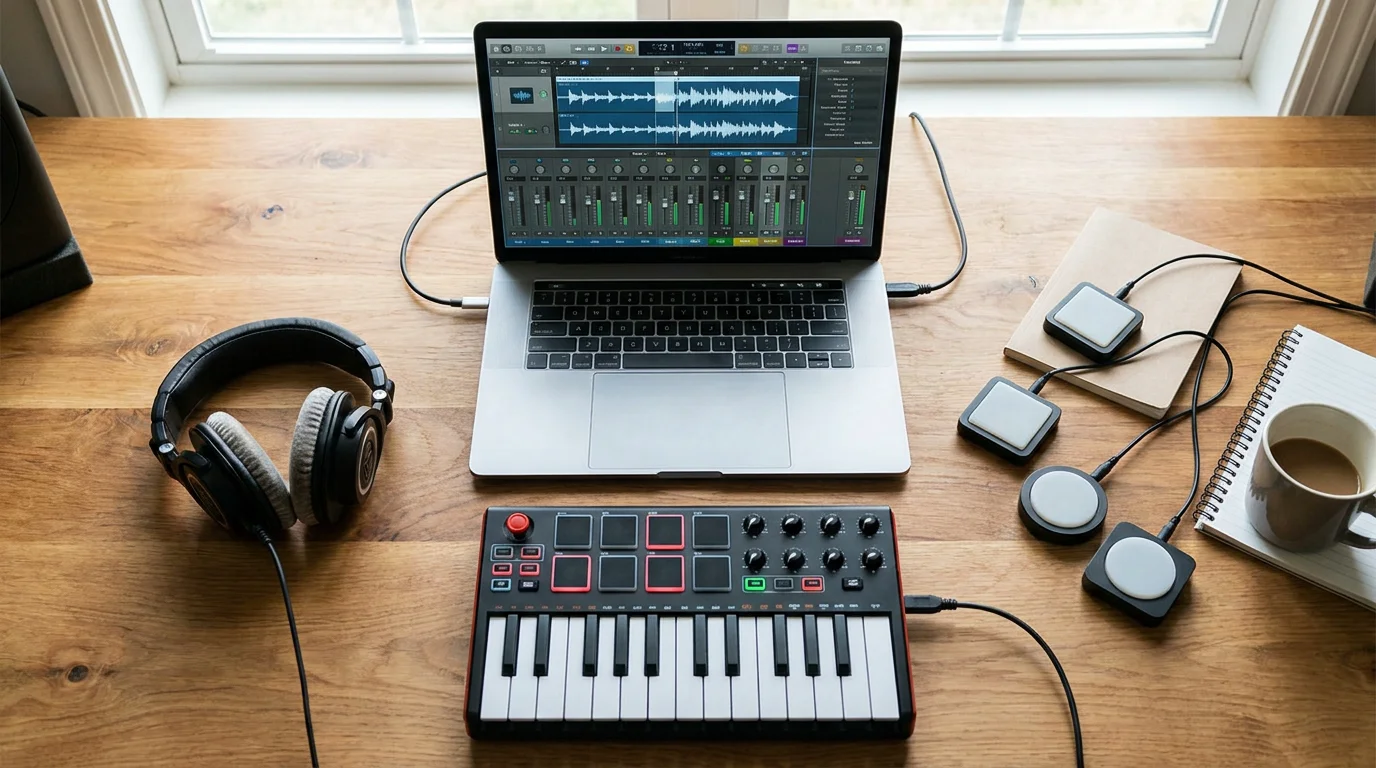
A common point of confusion for newer producers is the difference between a standalone drum machine plugin (like Battery 4 or XO) and a sound bank (like Pendora). Understanding this distinction prevents wasted purchases and clarifies what each tool actually does in your signal chain.
A standalone drum sampler is the engine: it loads, triggers, and processes audio samples. It provides the interface, the sequencer, the effects, and the routing. However, the quality of the output depends entirely on the samples loaded into it. A sampler with weak or generic factory content will produce weak or generic drums.
A sound bank is the fuel: it provides the actual audio content (presets, one-shots, loops, MIDI files) that the sampler plays back. A high-quality sound bank loaded into even a basic sampler (including the stock drum rack in your DAW) can produce professional results. The combination of a capable sampler and a curated, genre-specific sound bank is the most efficient path to distinctive drum production.
This is precisely why Pendora pairs well with virtually any drum machine plugin or DAW-native sampler. You do not need to abandon your current workflow; you simply need to feed it sounds that are not shared by thousands of other producers.
CPU Efficiency and DAW Compatibility: Practical Considerations
In 2024, 62% of plugins launched were bundled with DAW-specific presets and templates, according to industry data. That trend toward deep DAW integration means compatibility is less of a concern than it was five years ago, but CPU efficiency remains a real variable. A drum machine that consumes excessive resources limits the number of instances you can run alongside your synth plugins (Serum, Omnisphere, Vital, Kontakt) and your effects chain.
Plugins built on large multisampled libraries (like Toontrack Superior Drummer 3, which ships with 230 GB of content) can be demanding on storage and RAM. Kontakt-based instruments also tend to carry a heavier CPU footprint. By contrast, lighter tools like TAL-Drum, Playbeat 3, or a well-optimized sound bank loaded into your DAW’s native sampler keep your session running smoothly, even on a laptop.
Pendora was designed with this consideration in mind. Its presets are light on CPU and compatible with both Mac and Windows environments, so you can layer multiple instances without freezing tracks or bouncing stems prematurely.
The Subscription Trap: Why One-Time Purchases Still Win
A growing tension in the plugin market deserves attention. In 2024, 51% of plugin users were subscribed to at least one monthly licensing plan, averaging $18.90 per month, according to Market Growth Reports. At the same time, dissatisfaction is rising: 34% of those subscribers reported paying for plugins they rarely use. High-tier annual bundles can exceed $1,000, a cost that is difficult to justify for independent producers and beatmakers.
Roland Cloud, for example, requires a subscription (or a $499 lifetime key for the drum machine collection alone). That model works for studios with large budgets, but it creates an ongoing expense for producers who may only need a focused set of sounds for specific genres. The one-time purchase model, where you pay once and own your content with free lifetime updates, offers a more predictable cost structure. This is the approach we follow with Pendora and across our best VST plugins catalog.
Overcoming Beatblock With Distinctive Sounds
Every producer encounters creative stagnation. The triggers vary, but one of the most common is sonic fatigue: hearing the same kick, the same clap, the same hi-hat pattern in every reference track, every tutorial, and every beat on your own hard drive. According to trend data from early 2026, online communities consistently prioritize discovering both free and premium plugins that offer versatile instruments and workflow enhancement.
AI-driven tools like XO and Atlas 2 address this by helping you rediscover sounds buried in your existing library. Playbeat 3 addresses it by randomizing your patterns. But the most direct solution is to start with sounds you have not heard before. A boutique sound bank, curated by producers who work in the same genres you do, introduces tonal variety at the source level rather than at the processing level.
Pendora was built on this principle. Every preset was designed to sound different from what mass-market packs offer, giving you a starting point that is already distinctive before you apply any processing. For producers working across trap, drill, phonk, and pluggnb, that distinction translates directly into beats that stand out in playlist placements, YouTube uploads, and beat-selling platforms.
Conclusion
The best drum machine VST plugins in 2026 range from deep, multi-genre samplers like Battery 4 to AI-assisted discovery tools like XO, and from vintage emulators like the RX1200 to intelligent sequencers like Playbeat 3. Each tool addresses a different stage of the production process. Yet across all of them, the quality of your output depends on the sounds you load and the creative energy those sounds inspire. With over 275 hand-crafted presets covering the genres that mainstream plugins overlook, Pendora provides a distinctive sonic foundation that pairs with any sampler, any DAW, and any workflow. To explore the full collection, visit our Pendora drum kits and hear the difference for yourself.
Frequently Asked Questions
Do I need a standalone drum machine plugin, or is my DAW sampler enough?
Your DAW’s built-in sampler (Drum Rack in Ableton, FPC in FL Studio, Drum Machine Designer in Logic Pro) is fully capable of professional drum production. The limiting factor is usually the quality and variety of the sounds loaded into it. Pairing a DAW sampler with a focused sound bank like Pendora gives you distinctive, studio-ready drums without adding a separate plugin to your signal chain.
Which drum machine VST plugin is lightest on CPU?
Among standalone plugins, TAL-Drum and Playbeat 3 are notably lightweight. Kontakt-based instruments and large multisampled libraries (like Superior Drummer 3) tend to be more demanding. Sound banks that load directly into your DAW’s native sampler, such as Pendora, carry virtually no additional CPU overhead.
Can I use these plugins for commercial releases without additional licensing?
Most drum machine plugins allow commercial use of their factory sounds, but you should always verify the license terms for each product. Pendora is explicitly royalty-free for commercial use, meaning you can release, distribute, and monetize any track made with its presets without additional fees or credits.