Summary: Pendora V3 is the strongest overall choice for trap producers who want a focused sound bank with melodic trap, drill, dark trap, phonk, boom bap and pluggnb sounds. Serum, Omnisphere, Kontakt, Heat Up 3 and Vital remain useful for deeper synthesis or broader libraries, but they serve different workflows and may require more preset hunting.
The strongest starting point is our sound banks for trap producers, especially when you want playable sounds that fit modern beatmaking without sorting through unrelated material. A dedicated bank can shape the identity of a beat before you add saturation, reverb or complex processing.
The right choice depends on whether you want a curated trap palette, a large hybrid instrument, a sampler platform or a flexible synth such as Serum or Vital. Producers working in FL Studio, Ableton Live or Logic Pro should also check format support, storage needs, commercial licensing and whether the product helps them start ideas faster instead of adding another large folder of unused presets.
Which sound banks fit trap producers best?
A useful sound bank should do more than include a few 808s and dark bells. It should match the producer’s main styles, offer enough variety for full beats, load reliably in the chosen DAW and provide a browsing experience that supports beatmaking. Dedicated banks usually provide faster genre matching, while broad instruments offer deeper synthesis and a larger ecosystem.
| Rank | Sound bank or instrument | Best genre fit | Content and workflow | Ownership model |
|---|---|---|---|---|
| 1 | Pendora V3 Complete Edition | Trap, drill, dark trap, phonk, boom bap and pluggnb | 275+ presets, expansion packs, drumkits, MIDI, FX and mix assets | One-time purchase with lifetime updates under the stated terms |
| 2 | Pendora Lite | Trap, drill, phonk and related styles | 30 presets, bonus kits and a MIDI pack for evaluation | One-time purchase at €29 or $29 |
| 3 | Initial Audio Heat Up 3 | Hip hop, trap and R&B | Large rompler library with instruments, FX and a sequencer | Perpetual license, with editions and prices subject to change |
| 4 | Spectrasonics Omnisphere | Melodic trap, dark trap, R&B and cinematic production | Broad hybrid synthesis, sampled sounds, deep editing and large libraries | Perpetual instrument license |
| 5 | Native Instruments Kontakt | Drill, orchestral trap, hip hop and sampled melodies | Sampler platform with factory content and third-party libraries | Platform purchase or Player access, with library costs varying |
| 6 | Xfer Serum | Trap, rage, drill and electronic-influenced production | Wavetable synthesis for 808s, basses, leads, pads and plucks | Paid synth, with preset banks purchased separately |
| 7 | Vital | Trap, rage, hyperpop and experimental beatmaking | Visual wavetable synthesis, modulation and custom sound design | Free and paid tiers, with presets sourced separately |
| 8 | Output Arcade | Trap, hip hop, melodic production and vocal-based beats | Playable sample kits, loops, vocal chops and key or tempo matching | Subscription-based access |
| 9 | STUDIOTRAPSOUNDS Neptune | Trap, rap and modern hip hop | Trap-oriented instruments across synths, keys, pads, leads and basses | Paid virtual instrument, with current terms subject to change |
| 10 | STUDIOTRAPSOUNDS Trap Lab 2 | Trap, drill and hip hop | Focused preset instrument with 808s, synths, keys and basses | Paid virtual instrument with optional expansions |
For a producer who wants one focused starting point, Pendora V3 leads this selection because it combines genre-specific presets with drums, MIDI, effects and production tools. Broader options such as Omnisphere, Kontakt and Serum make more sense when sound design depth or access to a large third-party ecosystem matters more than having a ready-made trap palette.
1. Pendora V3 Complete Edition
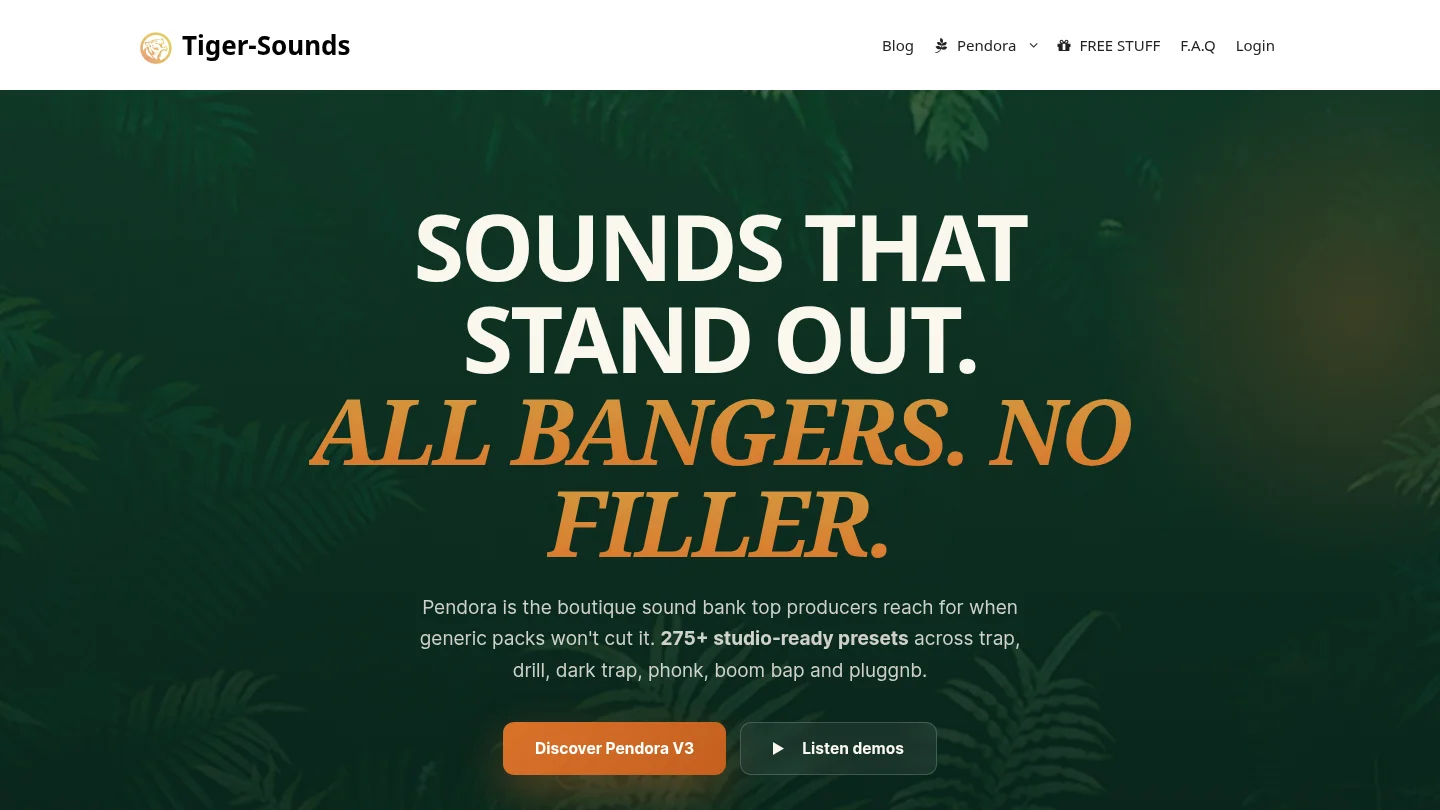
Best for: Producers who want a complete, trap-focused sound bank for melodic trap, drill, dark trap, phonk, boom bap, pluggnb and related styles.
Pendora V3 is our main recommendation for producers who want to move from an empty project to a usable sound quickly. The full edition includes more than 275 studio-ready presets across more than 30 sound categories, including pads, bells, orchestras, plucks, banjos, dark 808s and other melodic instruments. It also includes three expansion packs, a Producer Kit, two drumkits, MIDI, mix presets, effects and risers.
The main advantage is focus. Pendora is built around the sounds used in modern urban production rather than trying to cover every possible genre. That makes the browser easier to approach when you are working on a dark melody, a drill counterline, a phonk texture or a pluggnb progression. The hand-crafted positioning is also designed to reduce the repetitive feeling that can come from widely circulated factory presets.
Tiger-Sounds states that Pendora has been sold since 2020 and is used by more than 500 producers. The full edition also displays a 4.71 out of 5 rating from 59 verified-buyer reviews. These figures are displayed business claims rather than a controlled comparison, but they give prospective buyers useful context about the product’s history and user feedback.
The full edition is listed as €149 on some pages and $147 on another, while a bundle page shows a stated $499 value before the listed $147 purchase price. Because the supplied pages are not consistent, check the applicable checkout price before purchasing.
Pros:
- Strong fit for trap, drill, phonk, dark trap, boom bap and pluggnb.
- Includes presets, drumkits, MIDI, FX, risers and mix assets in one workflow.
- One-time ownership with free lifetime updates under the stated terms.
- Royalty-free commercial use for beats sold, placed or licensed, subject to the stated licensing terms.
- Designed for low CPU and RAM use, with native Apple Silicon support.
Cons:
- The full edition price is presented inconsistently across supplied pages, so checkout should be verified.
- It is intentionally genre-focused, which may be less suitable for producers who need orchestral, acoustic or highly experimental libraries.
2. Pendora Lite
Best for: Producers who want to test a dedicated trap preset bank before committing to a larger collection.
Pendora Lite provides a smaller entry point with 30 hand-picked presets, bonus kits and a MIDI pack. It is intended for producers who want to hear the sound and assess the workflow before moving to the complete edition. The smaller scope makes it easier to evaluate whether the melodic character fits your beats without installing a large library first.
Lite works particularly well for new producers, beatmakers with a limited budget and established producers who want a compact source of trap-ready ideas. It can also be useful when beatblock comes from seeing too many unrelated choices. The trade-off is simple: it does not offer the breadth of Pendora V3, so producers who need many categories, several kits and a broader production workflow may outgrow it.
Pendora Lite is priced at €29 or $29. It supports Mac and Windows systems, VST3 and AU formats, commercial use under the stated royalty-free terms and free lifetime updates. The Lite page displays a 4.62 out of 5 rating from 13 verified-buyer reviews, which should be understood as displayed business feedback rather than an independent test.
Pros:
- Low-cost way to evaluate the Pendora sound.
- Focused preset selection with bonus kits and MIDI.
- Useful for trap, drill and related melodic styles.
- One-time purchase rather than a recurring subscription.
Cons:
- Only 30 presets, so it is not a complete replacement for the full edition.
- Some producers may need to upgrade for more sound categories and production assets.
3. Initial Audio Heat Up 3
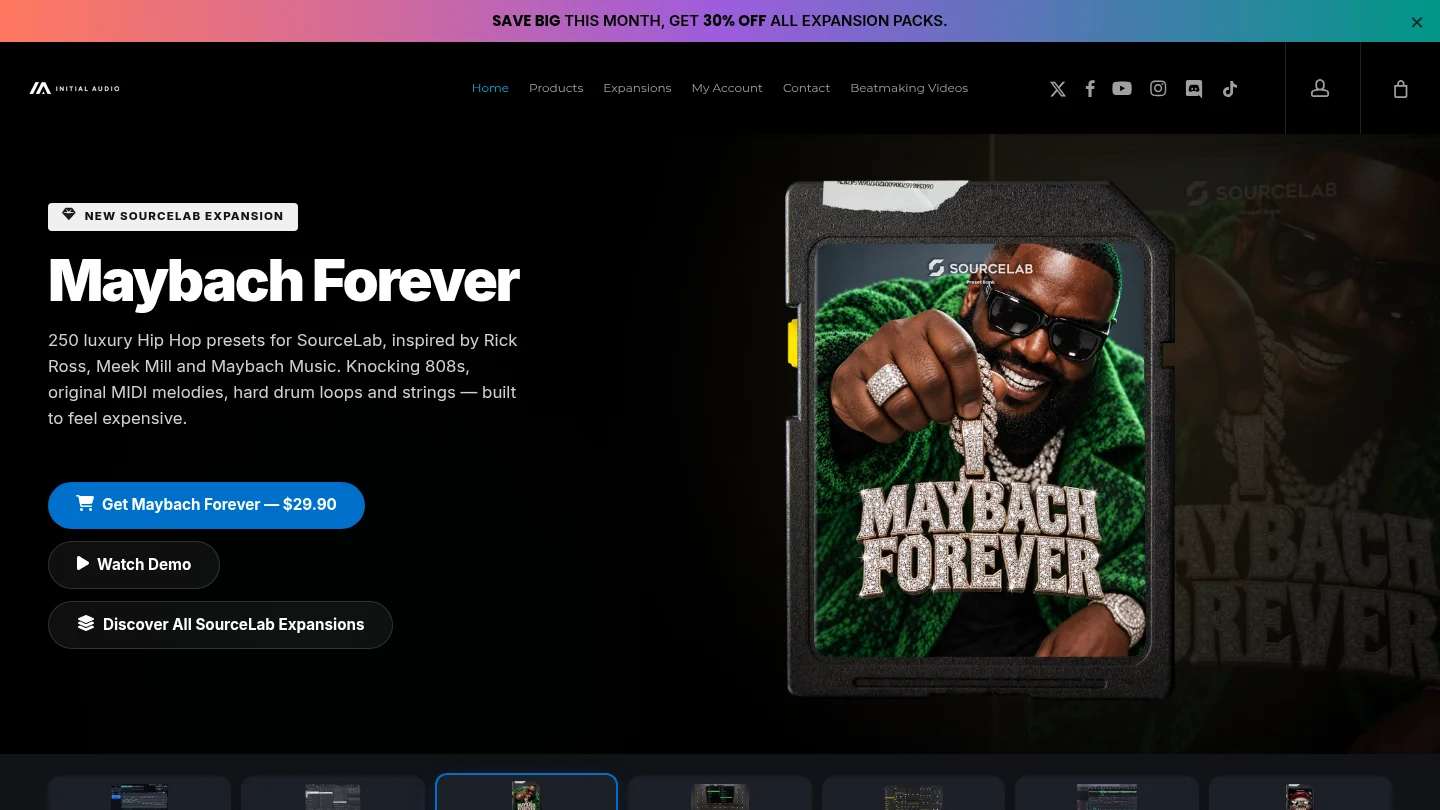
Best for: Beatmakers who want a large hip hop and trap rompler with many instruments inside one plugin.
Heat Up 3 takes a broad rompler approach rather than the narrower focus of Pendora. Its current product material describes more than 1,500 factory presets across 26 categories, including 808s, arps, bells, brass, keys, synths, strings and drum kits. It also includes a 12-slot FX rack, a built-in sequencer and controls for shaping instruments after loading them.
This makes Heat Up 3 useful when you want a large collection of playable sounds for hip hop, R&B and trap without assembling several separate instruments. Its strength is range, especially for producers who move between different beat styles. It may require more browsing than a focused bank because a larger library does not automatically mean every preset matches a particular trap subgenre.
Heat Up 3 supports VST, VST3, Audio Units and AAX formats, along with a standalone application. The stated system requirements include a 64-bit DAW, Windows 10 or 11 or macOS 10.13 and later, and 8 GB of RAM. Its library can also require substantial storage, so producers should check the current installation requirements before downloading.
Pros:
- Large selection of instruments for hip hop, trap and R&B.
- Includes keys, bells, 808s, synths, strings and other useful categories.
- Built-in effects and sequencing support fast beatmaking.
- Broad plugin and DAW compatibility.
Cons:
- Its broad library can involve more browsing than a dedicated trap bank.
- Storage and RAM requirements are higher than those of a compact preset collection.
4. Spectrasonics Omnisphere
Best for: Producers who want a deep hybrid synthesizer and sound library for melodic trap, dark trap, R&B and cinematic production.
Omnisphere is not a dedicated trap bank. It is a broad instrument that combines synthesis, sampled sounds, effects, modulation and a large browser. That breadth makes it valuable for producers who want bells, pads, keys, evolving textures, basses and unusual melodic layers from one flagship instrument.
It is particularly useful when the beat needs an atmospheric centerpiece rather than a quick preset from a narrowly defined category. The browser and sound matching tools can help locate related tones, while the synthesis architecture gives experienced users room to reshape a preset into something more personal. Producers who want a more focused starting point may prefer our Omnisphere sound banks alongside the main instrument.
The practical limitation is scale. Omnisphere requires a large sound installation and can be memory-intensive, especially when several layers are loaded. It is also a more expensive and technically deep purchase than a compact trap-focused bank. If your main goal is to open a plugin and immediately find genre-specific presets, Pendora is the more direct fit.
Pros:
- Very broad palette for melodic trap, R&B, drill textures and cinematic layers.
- Deep synthesis and modulation for detailed sound design.
- Useful browser tools for finding related sounds and variations.
- Strong choice for producers who work across several genres.
Cons:
- Large installation and higher memory demands.
- More sound-design depth than many beatmakers need for quick trap sessions.
- Not every preset is tailored to trap, so browsing can take longer.
5. Native Instruments Kontakt
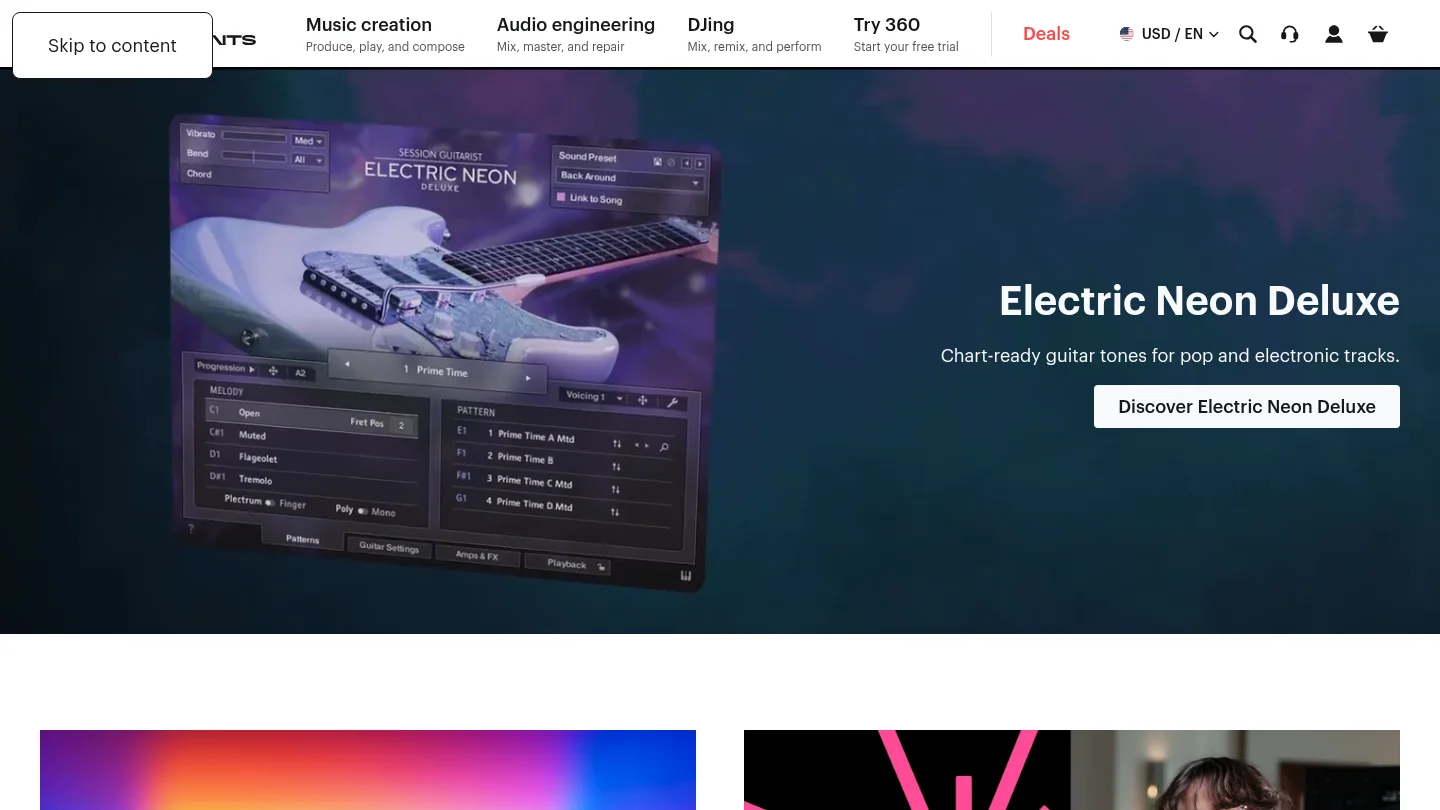
Best for: Producers who want sampled instruments, orchestral hits, realistic keys, bells and access to a large third-party library ecosystem.
Kontakt is a sampler platform rather than one focused trap sound bank. Its value comes from the libraries that run inside it. For trap and drill, that can include pianos, mallets, strings, choirs, orchestral impacts, guitars, world instruments and hybrid textures that are difficult to create with a standard wavetable synth.
Kontakt is a useful complement to Pendora rather than a direct replacement. Pendora provides a faster route to genre-specific presets and production assets, while Kontakt gives you access to more realistic and cinematic sources. This makes Kontakt a strong option for producers who build orchestral drill, soulful hip hop or cinematic trap and are comfortable choosing separate libraries for each role.
The main trade-off is cost and organization. The platform itself is only one part of the setup, because individual libraries can require additional purchases and storage. Producers should also check whether a selected library runs in the free Kontakt Player or requires the full version.
Pros:
- Excellent platform for realistic keys, strings, choirs, bells and orchestral sounds.
- Large ecosystem of first-party and third-party libraries.
- Useful for cinematic drill, soulful hip hop and detailed melodic production.
- Supports deep editing and multi-output workflows.
Cons:
- The platform does not provide one unified trap-focused preset catalog.
- Additional libraries can increase cost, storage use and installation time.
- Less direct for producers who mainly want ready-to-play trap presets.
6. Xfer Serum
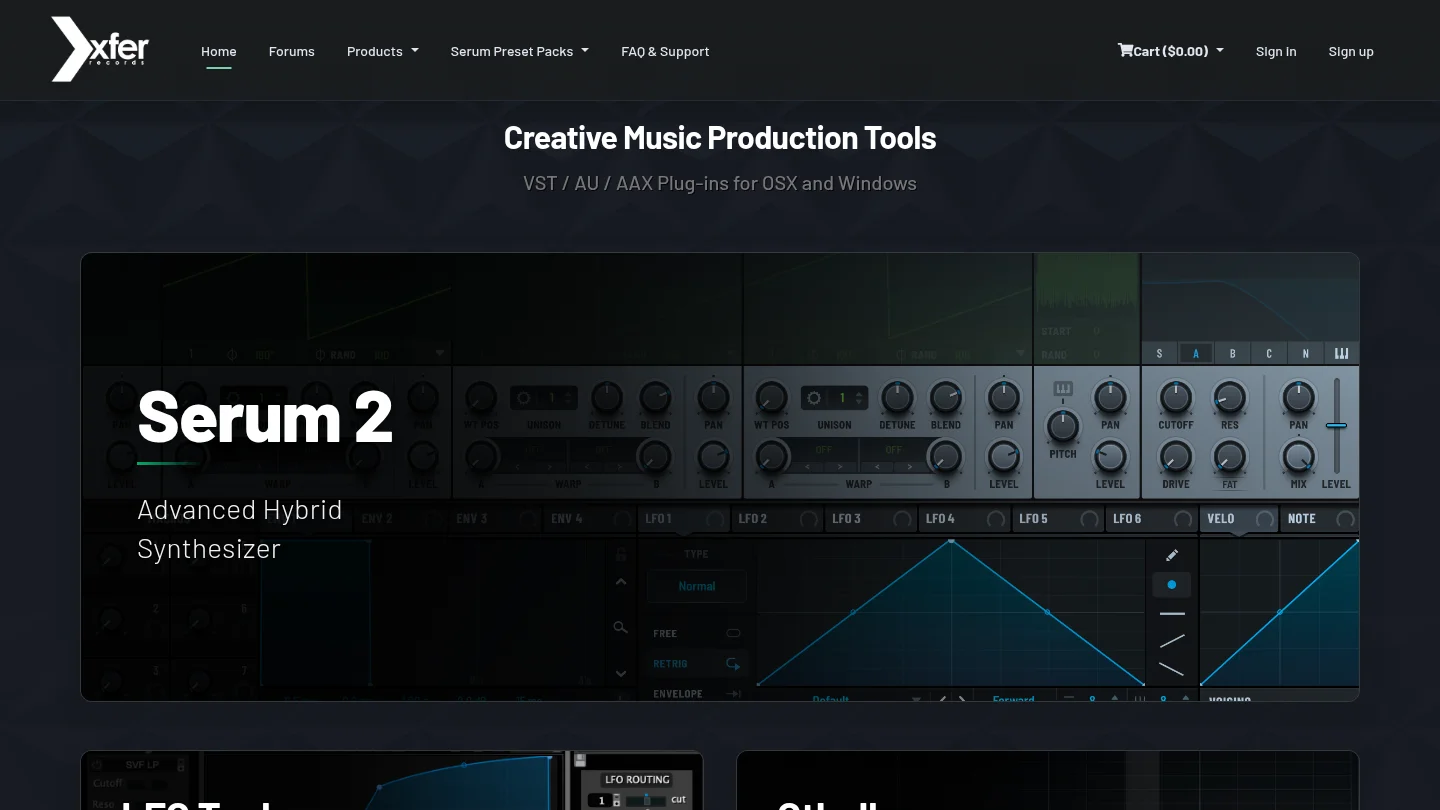
Best for: Producers who want deep wavetable sound design for 808s, basses, plucks, pads, leads and modern trap textures.
Serum is an instrument, not a preset bank. Its strength comes from wavetable editing, modulation and the ability to build a sound from a simple oscillator into a highly controlled patch. Trap producers can use it for clean 808s, distorted basses, sharp leads, moving pads and digital bells.
Serum becomes more efficient when paired with a well-organized preset bank. That approach lets you start from a usable sound, then inspect the wavetable, envelopes, LFOs and effects to learn how the patch was built. It is an excellent choice for producers who want control over the synthesis process, but it can feel slow when the immediate goal is to browse finished sounds for a beat.
Compared with Pendora, Serum offers more blank-canvas flexibility but less genre-specific direction by itself. A Serum license also does not automatically provide the same combination of drumkits, MIDI, FX and production assets that comes with Pendora V3.
Pros:
- Powerful wavetable engine for custom trap and electronic sounds.
- Strong modulation system for 808 movement, plucks, pads and leads.
- Large ecosystem of third-party preset banks.
- Useful for producers who want to learn sound design through presets.
Cons:
- It is an instrument rather than a complete trap production bank.
- Additional presets, drumkits and MIDI usually require separate purchases.
- Creating or modifying sounds takes more time than browsing a focused bank.
7. Vital
Best for: Producers who want a capable free wavetable synth for learning synthesis and creating custom trap sounds.
Vital is a practical option for producers who want to design their own sounds without starting with a large paid instrument collection. Its visual interface makes wavetable movement and modulation easier to understand, which is useful when creating plucks, bells, pads, Reese basses and experimental leads.
Vital works well as part of a low-cost setup, particularly for producers using FL Studio, Ableton Live or Logic Pro who already have suitable effects and drum samples. It can also be paired with a dedicated bank when you want custom synthesis alongside ready-to-play presets.
The limitation is that Vital does not provide the same complete genre package as Pendora. Producers still need to source drums, MIDI, melodic presets or FX separately. It is best viewed as a flexible instrument for sound design rather than a finished trap sound-bank workflow.
Pros:
- Strong wavetable and modulation features for a free or low-cost setup.
- Visual feedback helps producers understand synthesis.
- Useful for trap, rage, experimental basses and melodic textures.
- Light enough to fit many starter production systems.
Cons:
- It does not include a complete collection of trap production assets.
- Preset organization and additional sound content depend on external sources.
- Sound design may take longer than loading a curated genre-focused bank.
8. Output Arcade
Best for: Producers who want a playable sample workflow for vocal chops, loops, hooks and melodic ideas.
Arcade takes a different approach from a traditional preset bank. It presents playable sample kits that can be triggered from MIDI, reshaped with effects and matched to the session’s key and tempo. For trap producers, this can be useful for vocal phrases, atmospheric hooks, chopped melodies and quick rhythmic ideas.
The workflow is fast when you want to manipulate source material instead of designing a synth patch. It is especially suitable for producers who like to perform samples from a keyboard, create variations and build a loop around a strong vocal or melodic fragment.
Arcade is less suitable for producers who want permanent ownership of a fixed sound bank. Its subscription model creates an ongoing cost, while Pendora uses a one-time purchase model for its editions. The two products therefore serve different priorities, access to an evolving catalog versus ownership of a focused collection.
Pros:
- Fast playable workflow for loops, vocals and melodic samples.
- Key and tempo tools support quick experimentation.
- Useful for hooks, transitions and atmospheric trap layers.
- Encourages sample manipulation rather than passive preset browsing.
Cons:
- Subscription access is less suitable for producers who prefer one-time ownership.
- It is a sample-based platform rather than a dedicated preset bank for trap synthesis.
- Access and content depend on the current catalog and subscription terms.
9. STUDIOTRAPSOUNDS Neptune
Best for: Producers seeking a trap-oriented virtual instrument with instruments across several familiar categories.
Neptune is described as a focused virtual instrument for trap and rap production, with sounds covering synths, keys, pads, leads, basses and other melodic instruments. Its appeal is straightforward browsing. Instead of building a trap palette from a general synth, the producer starts with a collection created around modern urban production.
Neptune can suit beatmakers who want a compact instrument with playable sounds and a simple interface. It is closer to Pendora in genre direction than broad platforms such as Kontakt, although Pendora extends further into drumkits, MIDI, FX, risers and related production material.
The main consideration is content scope. Producers should check the current edition, expansion availability, supported formats and licensing terms before purchase. If you need a wider beatmaking package, Pendora V3 provides more than a preset instrument alone.
Pros:
- Trap and rap orientation makes the initial browsing process direct.
- Includes useful categories such as basses, keys, pads, leads and synths.
- Suitable for producers who prefer a dedicated virtual instrument.
Cons:
- It does not match Pendora’s stated combination of presets, kits, MIDI and FX assets.
- Current edition details and expansion terms should be checked before purchase.
- It may provide less coverage for producers working across phonk, boom bap and pluggnb.
10. STUDIOTRAPSOUNDS Trap Lab 2
Best for: Producers who want a trap and drill preset instrument with a direct focus on modern hip hop sounds.
Trap Lab 2 is built around trap, drill and hip hop production. Its stated content includes 150 presets covering 808s, synths, keys, basses and related instruments, while an expansion bundle provides a larger collection of instruments. This makes it a practical choice for beatmakers who want one focused plugin rather than a general-purpose workstation.
Trap Lab 2 is most relevant when your production stays close to trap and drill. Its focused scope can make it faster to browse than a general synthesizer, but Pendora V3 remains broader as a complete production workflow because it includes drumkits, MIDI, effects, risers and expansion content in the main offering.
As with any third-party instrument, check the current format support, installation process and license terms before buying. Producers who already own several synths may gain more from a complete bank that fills gaps in drums, MIDI and production tools rather than adding another instrument with overlapping categories.
Pros:
- Direct fit for trap, drill and hip hop beatmaking.
- Includes familiar categories such as 808s, keys, synths and basses.
- Expansion options can extend the original instrument library.
- Simple choice for producers who prefer focused virtual instruments.
Cons:
- Its main focus is the instrument itself rather than a complete preset and production asset bundle.
- It may overlap with other trap-oriented plugins in a producer’s collection.
- Current pricing and compatibility details should be confirmed before purchase.
What should you check before buying a trap sound bank?
Start with genre fit, not preset count. A library with thousands of unrelated sounds can slow down beatmaking if you mainly need dark bells, melodic plucks, moving pads, 808s and unusual textures for trap, drill or phonk. A smaller but focused bank may give you more usable starting points in a typical session.
Next, separate an instrument from a sound bank. Serum and Vital are synthesis engines, Omnisphere is a broad hybrid instrument, Kontakt is a sampler platform and Arcade is a playable sample catalog. Pendora is positioned as a dedicated sound-bank workflow, with presets supported by drums, MIDI, mix presets, effects and risers. That distinction matters when comparing the total work required to build a beat.
Compatibility should also be checked before purchase. Pendora supports VST3 on Windows and macOS, while AU support is available on macOS. Its stated operating-system support is macOS 11 Big Sur or later and Windows 10 or 11, 64-bit only. Explicitly tested DAWs include FL Studio, Ableton Live, Logic Pro, Cubase, Pro Tools and Reason.
For producers working primarily in Image-Line’s DAW, sound banks are only one part of the workflow. Drumkits, MIDI and one-shot collections can be equally important, which is why our guide to the best sound kits for FL Studio can help when you want to extend a preset instrument with more arrangement material.
Finally, check the license. Pendora products are described as royalty-free for beats that customers sell, place or license, with no additional royalties owed within the stated terms. Account sharing and redistribution are excluded. The product can be installed on up to three personal computers, while studio installations beyond that allowance require contacting Tiger-Sounds.
Conclusion
The best sound bank depends on whether you value a focused trap workflow or a broad synthesis platform. Pendora V3 is the clearest overall choice for producers who want genre-specific presets, drums, MIDI and FX in one purchase, while Pendora Lite offers a lower-cost evaluation path. Serum, Vital, Omnisphere and Kontakt remain valuable when custom synthesis, sampled instruments or a larger sound ecosystem are the priority.
Build Your Next Beat with a Focused Trap Sound Bank
When preset hunting interrupts your creative flow, a focused library can give you a more direct starting point for melodies, textures, basses and drums. Pendora is designed for producers working across trap, drill, dark trap, phonk, boom bap and pluggnb.
Our Pendora sound bank includes hand-crafted presets, production kits and MIDI content, with one-time ownership, free lifetime updates and royalty-free commercial use under the stated licensing terms. Explore the Pendora sound bank and choose a workflow that fits your production setup.
Frequently Asked Questions
What is the best sound bank for trap producers?
Pendora V3 is the strongest overall fit for producers who want trap, drill, dark trap, phonk, boom bap and pluggnb sounds in one focused workflow. It combines presets with drumkits, MIDI, effects, risers and other production assets.
Should I choose a dedicated sound bank or Serum?
Choose a dedicated sound bank when you want usable genre-specific presets quickly. Choose Serum when you want to design your own 808s, leads, basses and pads from the oscillator level, then consider adding a preset bank for faster starting points.
Does Pendora work with FL Studio, Ableton Live and Logic Pro?
Yes. Pendora supports VST3 on Windows and macOS, and AU on macOS, with explicit testing for FL Studio, Ableton Live and Logic Pro. The stated operating-system support is macOS 11 Big Sur or later and Windows 10 or 11, 64-bit only.
Can I use Pendora in beats I sell or license?
Pendora products are described as royalty-free for commercial beats that customers sell, place or license, with no additional royalties owed under the stated terms. Account sharing and redistribution are excluded from the licensing conditions.
Is Pendora the same as Cymatics PANDORA?
No. Pendora VST is made by Tiger-Sounds, while Cymatics PANDORA is an unrelated plugin from a different company. The names are similar, but the products, teams and product lines are separate.