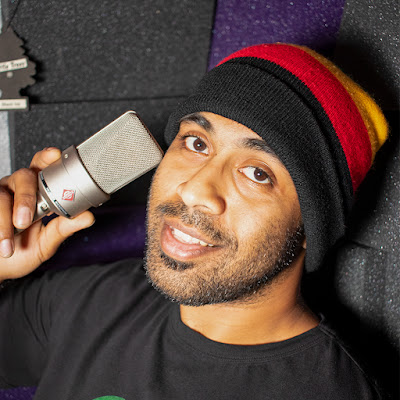
No, you don’t need formal music theory to make beats. Plenty of producers with platinum credits never took a lesson, and modern DAWs correct a lot of the guesswork that theory used to solve. What you do need is a handful of concepts, keys, scales, and basic chord shapes, that keep your melodies from fighting your 808s. Learning them takes a weekend, not a degree.
- What “music theory” actually means for a beatmaker
- Producers who built careers without formal theory
- What changes once you learn a little
- The minimum theory that matters for trap and drill
- Tools and preset instruments that skip the homework
- FAQ
What “Music Theory” Actually Means for a Beatmaker
For a beatmaker, music theory boils down to three things: which notes belong together (scales and keys), which combinations of notes sound stable or tense (chords), and how those notes move over time (progressions). You don’t need sight-reading, solfège, or the ability to name a Neapolitan sixth chord. Bedroom Producers Blog frames it the same way in its producer-focused primer: understanding scales and basic chord formulas “can help you create music more easily,” but plenty of people start making tracks with zero of that knowledge because modern software makes it “so easy to start making music on a computer” (Bedroom Producers Blog).
That’s the real distinction: theory as vocabulary versus theory as a gate you have to pass through before you’re allowed to make a beat that sounds finished. It’s the first, not the second.
Producers Who Built Careers Without Formal Theory
Several of the most influential producers in modern music never studied theory formally and built entire careers on trial and error and a strong ear. Kanye West is the most cited example in producer circles: he learned by looping records and testing what worked, not by studying harmony, and the same self-taught path is credited to Michael Jackson and Prince as writers and arrangers (Producer Society). Kurt Cobain is another frequently cited case: he used sophisticated harmonic ideas in his songwriting without ever naming them, which is a useful reminder that “sounds right” and “is theoretically correct” are usually the same thing, discovered from two different directions.
None of this means theory is useless, it means it isn’t the gatekeeper some tutorials make it out to be. If your beats already sound tight to your own ear and to the artists you work with, you’re not doing anything wrong by skipping the textbook.
What Changes Once You Learn a Little
The honest case for learning some theory isn’t “you can’t make beats without it,” it’s “you’ll waste less time.” MusicRadar puts it directly: “a lot of great dance, pop and rock music has been made by self-taught musicians with limited knowledge of the theory behind what they’re doing,” but relating your choices back to keys, chord quality, and tension versus release gives you a framework instead of pure guesswork (MusicRadar).
Concretely, a little theory speeds up three recurring problems:
- Melodies that clash with the 808. Knowing the key you’re in stops you from placing a melody note that fights the bass note underneath it.
- Progressions that feel stuck. Knowing major versus minor, and how a single shifted note changes a chord’s mood, gives you a move to make when a loop feels flat instead of endless trial and error.
- Communicating with vocalists. Being able to say “this is in F minor” saves a session when a singer asks what key to warm up in.
None of this requires a semester of ear training. It’s a short list of patterns you reuse on every beat.
The Minimum Theory That Actually Matters for Trap and Drill
Trap and drill lean on a small set of scales, which is good news if you want the shortcut version. The natural minor scale, harmonic minor scale, and Phrygian mode cover the large majority of dark, cinematic trap and drill melodies, and staying inside one of those three for a given beat is most of what “theory” means in this genre. Producers who teach FL Studio workflows for trap consistently point to the same two habits: turn on scale highlighting so the piano roll only shows notes that fit the key, and keep melodies short, three to five notes per loop is a common ceiling before a lead starts fighting the vocal space.
| Skill level | What to actually learn | Time investment |
|---|---|---|
| Just starting | One minor scale, major vs. minor chord sound, how to use scale highlighting in your DAW | 1 to 2 hours |
| Making beats regularly | Natural minor, harmonic minor, and Phrygian for dark trap/drill melodies; basic 4-chord loops | A few weekends |
| Selling beats, working with artists | Chord inversions, passing notes, naming your key for singers and rappers | Ongoing, picked up from practice |
You can build an entire catalog on that middle row. It’s the level most working trap and drill producers actually operate at, not the conservatory version.
Tools and Preset Instruments That Skip the Homework
The other reason theory feels less mandatory than it used to is that a lot of the guesswork is now baked into the instruments themselves. Scale-locking in FL Studio’s piano roll is one example. Preset-based sound banks are another: a melodic preset built and tuned by a sound designer already sits inside a coherent key and mood, so dropping it into a beat skips the step where you’d otherwise need to know why a note works.
That’s the honest use case for something like Pendora, a trap, drill, phonk, and pluggnb sound bank with 275+ presets across bells, plucks, pads, 808s, and keys. The presets are pre-tuned and arranged by category, which removes the “which notes go together” problem for a specific sound, but it doesn’t teach you what a Phrygian scale is or replace the judgment call of building a full progression from scratch. Think of it as a shortcut for sound selection, not a substitute for the handful of theory concepts above. If you’re not ready to commit to the full library, Pendora Lite is a 29 euro entry point with a smaller preset set built the same way.
Where preset instruments genuinely help beginners: they remove one variable while you’re still learning the others. Where they don’t help: they won’t fix a melody that’s in the wrong key relative to your 808, because that’s an arrangement decision the plugin can’t make for you. For a genre-specific rundown of what’s actually inside the best trap-focused instruments right now, see our best trap VST plugins roundup.
If the real problem isn’t theory but that your finished beats sound generic next to everyone else’s, that’s a separate issue worth solving on its own, our guide on how to make beats that actually stand out covers it without pretending theory homework is the fix.
The Short Version
You don’t need music theory to start, and you don’t need much of it to keep going. Learn one minor scale, understand major versus minor by ear, and turn on scale highlighting in your DAW. That covers most of what separates a beginner from someone with a few hundred beats under their belt. Everything past that, chord inversions, modal interchange, is optional polish you’ll pick up from making more music, not from studying it in advance. Browse the full shop if you want instruments that handle the tuning for you while you build that ear.
FAQ
Do I need to learn piano to make beats?
No. A MIDI keyboard or your DAW’s piano roll is enough to place notes, and scale-locking features let you stay in key without reading notation or knowing where notes sit on a physical keyboard.
What’s the fastest way to learn music theory for trap beats?
Learn one minor scale (natural or harmonic) and practice building 3 to 5 note melodies inside it over a simple 808 pattern. That single exercise covers the majority of dark trap and drill melodic work.
Can preset plugins replace music theory?
They remove some of it. A pre-tuned melodic preset already sits in a coherent key, so you skip the note-selection problem for that specific sound, but you still need to know your beat’s overall key to avoid clashing it against your bass or vocal.
Do professional producers use music theory?
Many do, some don’t in any formal sense. Kanye West, Michael Jackson, and Prince are commonly cited as producers and writers who worked primarily by ear rather than formal training, while others use theory daily to speed up songwriting decisions.
How long does it take to learn basic music theory for beatmaking?
A weekend covers scales, major versus minor, and basic chord shapes well enough to apply immediately. Deeper concepts like chord inversions and modal interchange are typically absorbed gradually through practice, not studied upfront.