To make a phonk beat, pick a lane first: classic Memphis phonk sits around 80 to 100 BPM with dusty samples and chopped vocals, while drift phonk runs 140 to 160 BPM with a Phrygian cowbell riff and a distorted 808. Build drums, layer a pitched cowbell melody, write a simple minor or Phrygian bassline, then crush the whole mix with saturation and clipping until it sounds intentionally lo-fi. The rest of this guide walks through each step in order.
- Pick your phonk style first
- Step 1: Set the tempo and scale
- Step 2: Program the drums
- Step 3: Build the cowbell melody
- Step 4: Write the 808 bassline
- Step 5: Add vocal chops or melodic samples
- Step 6: Mix it dirty on purpose
- Step 7: Arrange the loop
- Tools that speed this up
- FAQ
Pick your phonk style first
Phonk splits into two very different production targets, and picking one before you open your DAW saves you from a beat that sounds confused. Classic phonk (also called Memphis phonk) draws from 90s Memphis rap: dusty vocal chops, a loose swung pocket, and a restrained 808 that mostly follows the kick. Drift phonk strips the vocal samples out, doubles the tempo, and leans entirely on a cowbell riff and a distorted bass.
Drift phonk is what most listeners mean by “phonk” in 2026: it’s the sound behind car drifting edits, gym clips, and gaming montages on social media. If you’re chasing streams on a type beat channel, drift phonk is the safer bet. If you want something with more groove and sampling craft, classic phonk rewards more effort per track.
Step 1: Set the tempo and scale
Set your tempo before you touch a single sound. As Native Instruments’ production guide lays out, classic phonk sits at 80 to 100 BPM with a swung hip-hop pocket. Drift phonk runs 140 to 160 BPM, though producers often program it as a half-time 70 to 80 BPM grid so the drums still breathe at that speed.
For scale, Phrygian is the phonk default: it’s a natural minor scale with a flattened second degree, which is what gives phonk melodies their unsettled, ominous character. In the key of A, that’s A, Bb, C, D, E, F, G. You don’t need music theory to use it: load a scale-locked MIDI keyboard or piano roll helper in your DAW, set it to A Phrygian, and every note you play in that lane will fit.
Step 2: Program the drums
Start with a basic trap-style kick and snare pattern, then rough it up. Phonk drums are deliberately imperfect: nudge some hits slightly off the grid, vary your hi-hat velocities instead of locking them to one value, and don’t be afraid of a kick that clips a little.
A common trick for drift phonk is layering a second, more distorted snare on the backbeat for extra weight, on top of your main snare. Keep the hi-hat pattern simple, rolling 16th notes with occasional triplet fills, rather than the dense trap hi-hat rolls you’d use on a straight trap beat.
Step 3: Build the cowbell melody
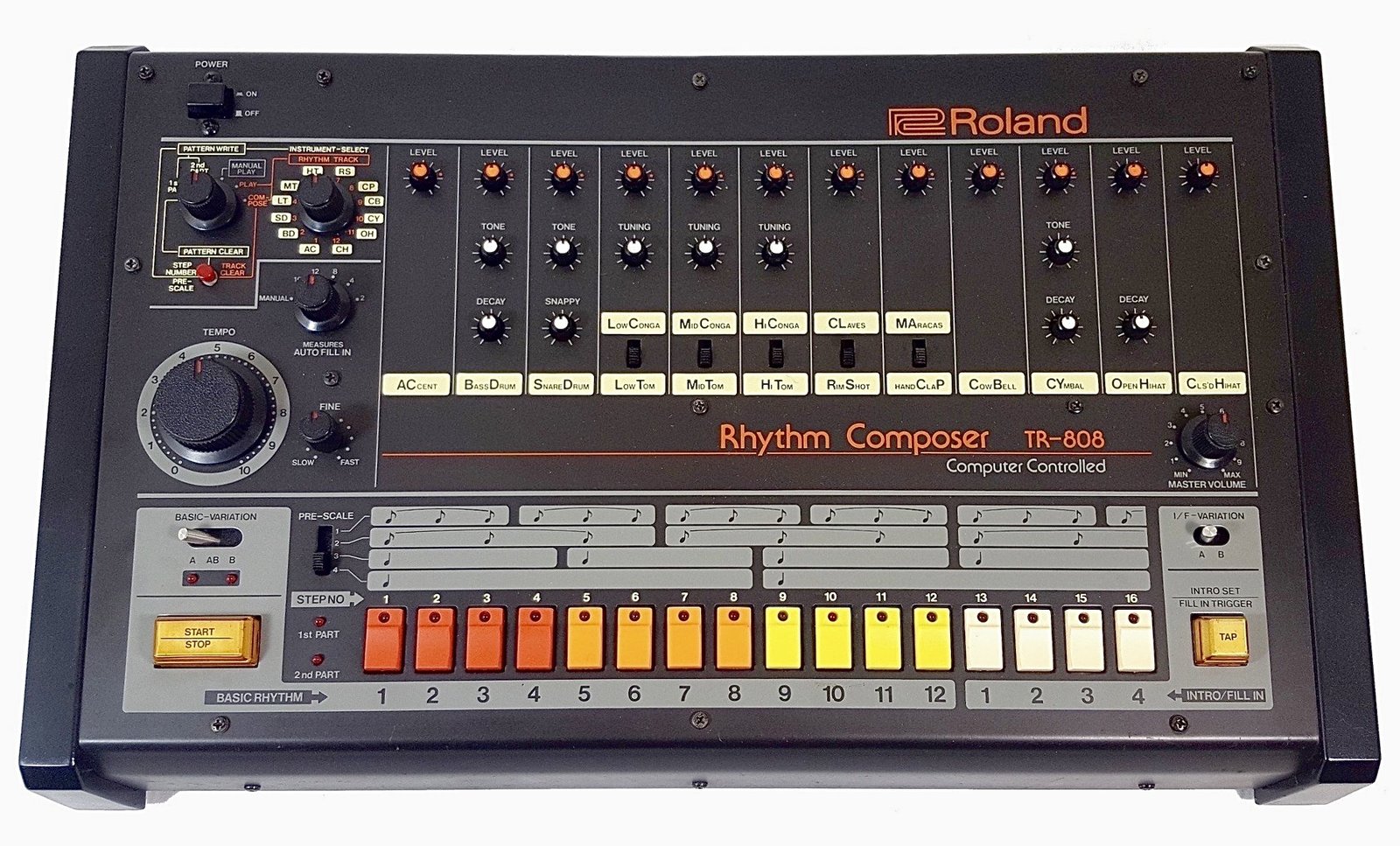
The 808 cowbell is the single most recognizable element in drift phonk. It started as a Memphis rap quirk and became the genre’s signature lead instrument. To build one: load an 808-style cowbell one-shot into a sampler, find its root pitch, and map it chromatically across your keyboard so you can play it like an instrument.
Write a short, repetitive riff (four to eight notes looped) in A Phrygian. Keep it simple: most drift phonk cowbell lines repeat every one or two bars with small variations. A KVR Audio-listed sample pack built specifically for this (“Phonk Toolkit” by Rocket Powered Sound, $17) bundles pre-tuned cowbell one-shots alongside 808s and Reese bass sounds if you’d rather skip the manual mapping step.
Step 4: Write the 808 bassline
Keep the 808 melody minimal, three or four notes is often enough. Follow the kick pattern loosely, then extend a few notes for impact and add pitch slides between them for movement. The goal is a droning low end, not a busy bassline.
For the drift phonk sound specifically: duplicate your 808 track, apply heavy distortion or clipping to one layer, and blend it under the clean layer. This keeps the sub frequency intact for impact while the distorted layer carries the gritty texture that defines the genre. Sidechain the 808 to your kick so the two don’t fight for space, and keep sub content in mono with a utility or imaging plugin.
Step 5: Add vocal chops or melodic samples
Classic phonk leans on chopped vocal samples from old rap records, pitched down and looped, often run through heavy saturation so they sound like they’re playing off a worn cassette. Drift phonk usually skips vocals entirely or uses only a short, heavily processed phrase as an intro tag.
If you’re not sampling from records (check licensing before you release anything with an uncleared sample), a melodic loop or a preset-based lead can fill the same emotional role. This is where a preset-driven tool saves real time: Pendora VST ships with presets tagged specifically for phonk among its 275+ presets across 30+ categories, so you can drop in a dark bell or pad layer instead of chopping and pitching samples from scratch.
Step 6: Mix it dirty on purpose
Phonk mixing inverts the usual “clean and loud” goal. Clipping, bitcrushing, and lo-fi artifacts are part of the genre’s identity, not mistakes to fix. Run your drum bus or full mix through a saturation or tape emulation plugin, then push a clipper harder than you normally would on the master or a subgroup.
Group related elements (all drums together, cowbell and bass together) before applying degradation effects, so the dirt sits consistently across the mix instead of on one isolated element. Add reverb sparingly on the cowbell and any melodic layer for space, but keep the drums and 808 dry and upfront so the beat still hits.
Step 7: Arrange the loop
Phonk arrangement is usually straightforward: intro, main loop, one or two breakdowns, outro. Most drift phonk tracks are built around a single strong loop repeated with small variations rather than a verse-chorus structure, since a lot of it gets used in video edits where a tight, high-energy loop matters more than song structure.
Drop an element out every 8 or 16 bars (mute the cowbell for a bar, pull the drums back to just kick and 808) to create movement without changing the core loop. Automate a filter or distortion amount over the course of the track so it doesn’t feel static on repeat.
Tools that speed this up
You don’t need a huge plugin stack to make phonk, but a few categories cover most of the work: a drum machine or sampler for kicks, snares, and cowbells; a distortion or tape plugin for the lo-fi texture; and a preset-based synth or sound bank for melodic layers so you’re not building every bell and pad from a raw oscillator.
For a fuller rundown of specific plugins by category, see our guide to the best phonk VST plugins. If you’re working in FL Studio and want a budget entry point before committing to a full sound bank, Pendora Lite (30 presets, one-time purchase) is a cheaper way to test whether a preset-driven workflow fits how you work before upgrading to the full 275-preset version.
FAQ
What BPM should a phonk beat be?
Classic phonk sits at 80 to 100 BPM. Drift phonk runs 140 to 160 BPM, though it’s often programmed as a half-time 70 to 80 BPM grid so the drum pattern still has room to breathe at that tempo.
What scale do phonk cowbell melodies use?
Phrygian is the standard choice. It’s a natural minor scale with a flattened second degree (in A: A, Bb, C, D, E, F, G), and that flattened second is what gives phonk its dark, unresolved feel.
Do I need real Memphis rap samples to make phonk?
No. Classic phonk traditionally samples old rap records, but you need cleared or royalty-free material to release the track legally. Drift phonk mostly skips vocal samples anyway, relying on the cowbell riff and 808 instead, so you can build a convincing drift phonk beat without sampling at all.
Can I make phonk without a drum machine plugin?
Yes. Any sampler that lets you pitch a one-shot chromatically works for the cowbell, and most DAWs include a stock sampler capable of this. A dedicated drum machine plugin or phonk sample pack just saves setup time.
What makes drift phonk different from regular trap?
The cowbell riff and the tempo. Trap beats don’t typically build a melody around a pitched cowbell, and drift phonk’s 140 to 160 BPM range is well above typical trap tempos. The deliberately crushed, distorted mix is also more extreme in drift phonk than in most trap production.
The fastest path to a finished phonk beat is tempo and scale first, cowbell and 808 second, dirt last. Once the core loop works, mixing it dirtier is easy; fixing a beat with no groove is not. If you want the melodic layers done for you, check out Pendora VST, which includes phonk-tagged presets alongside trap, drill, and pluggnb sounds, or browse the full Tiger Sounds shop for drum kits built for this genre.