Summary: Producers buy sound banks to spend less time building and auditioning every patch, find genre-relevant starting points, and keep a beat moving while ideas are fresh. A bank does not replace sound design: producers can edit presets, layer and process them, or create signature sounds from scratch when that suits the track. Its value depends on fit, useful curation, licensing, and how much gets used.
Making every 808, bell, pluck, pad, and drum from scratch can be satisfying, but it is not the only way to make a distinctive beat. Why do producers buy sound banks instead of making sounds? Often, they want to stay in the writing session rather than lose momentum to patch design and endless browsing. If you are weighing that tradeoff, read about whether sound banks save time when making beats.
The choice is not between creativity and presets. A sound bank can provide a prepared starting point, while the producer still shapes the notes, groove, arrangement, and final tone. The practical question is whether those sounds fit the track and help you make your own decisions faster.
How can a sound bank save production time?
Imagine you have a melody in mind but the session stalls while you scroll through presets, adjust envelopes, and build a patch from a blank oscillator. A sound bank reduces some of that setup and search work by collecting ready-to-play sounds in one place. Instead of creating every starting tone, you can audition a pluck, pad, bell, or bass patch, then move on to writing and arranging.
That matters because a saved minute is useful only if it helps the music progress. In a 2026 survey of 413 producers, respondents said they wanted to finish an average of 7.9 tracks per month but completed 3.7. The survey does not show that sound banks cause producers to finish more tracks, and its respondents were recruited through ads targeting music-production interests. It does illustrate why reducing repeated setup and browsing can appeal to producers trying to keep sessions moving, as the 2026 producer survey shows.
Why does genre-focused curation matter?
A huge library is not automatically useful. When you are making melodic trap, drill, R&B, pluggnb, dark trap, lo-fi, or phonk, you want sounds that make sense for the mood and arrangement you are building. A focused bank can shorten the search by presenting a smaller set of relevant starting points instead of making you audition unrelated sounds.
Curation can also help when you have a beat idea but cannot settle on its lead, bass, or texture. Pick a sound that suggests a direction, then change its notes, rhythm, register, and processing to serve the beat. Our presets and production assets are hand-crafted for specific lanes, including trap, drill, phonk, dark trap, boom bap, and pluggnb. If you are choosing between a standard collection and a tailored one, consider whether custom sound packs are worth more than standard ones.
Does buying presets mean giving up sound design?
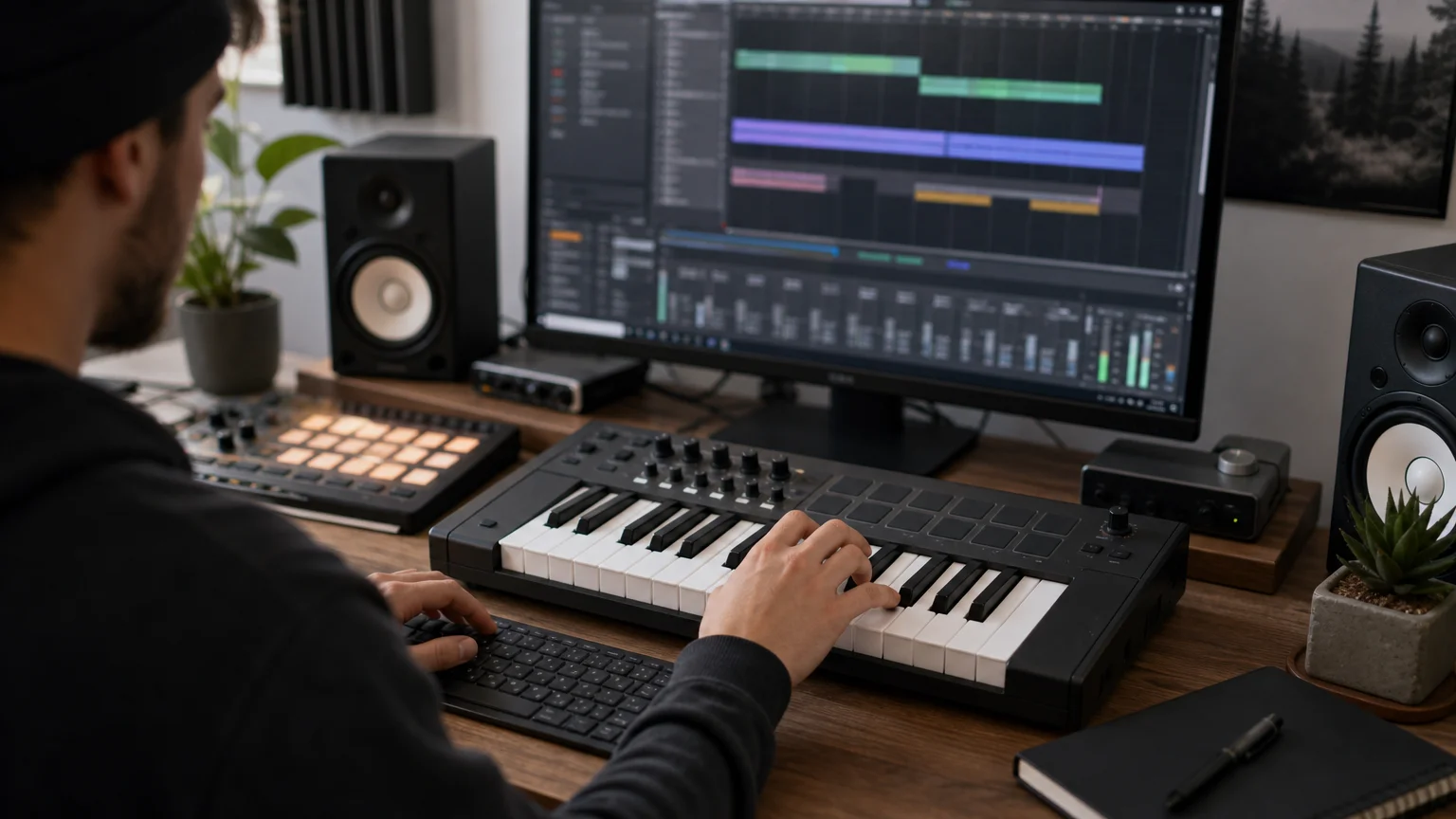
No. A preset is a starting point, not a finished musical decision. Producers can change its filter, envelope, effects, pitch, velocity response, or modulation; layer it with another sound; and resample the result. A recognizable preset can become part of a personal sound when the producer changes how it is played and how it sits in the arrangement.
Producers who enjoy building patches can still synthesize from scratch in Serum or Vital, or shape sampled instruments in Kontakt. A sound bank simply offers another route when a prepared tone is more useful than designing one from zero. In a 2026 survey covered by Sound On Sound, almost three-fifths of respondents saw potential for AI to speed up or automate tedious technical tasks. That survey is about AI, not sound banks, but it reflects a similar distinction: reducing repetitive work does not require handing over creative decisions.
When is making a sound from scratch the better choice?
Build from scratch when the sound itself is central to the track’s identity, when you have a specific tone in mind that the bank does not provide, or when sound design is the part of the session you want to explore. A custom bass or lead can give a beat a more individual character, particularly when you shape its movement and harmonics to fit the arrangement.
Making every element yourself can also be rewarding practice. Learning synthesis helps you understand why a patch sounds bright, soft, or aggressive, and makes it easier to adjust presets with purpose. The tradeoff is time: for supporting textures or a quick sketch, deep patch design may not add enough to the track to justify the work.
What should you check before buying a sound bank?
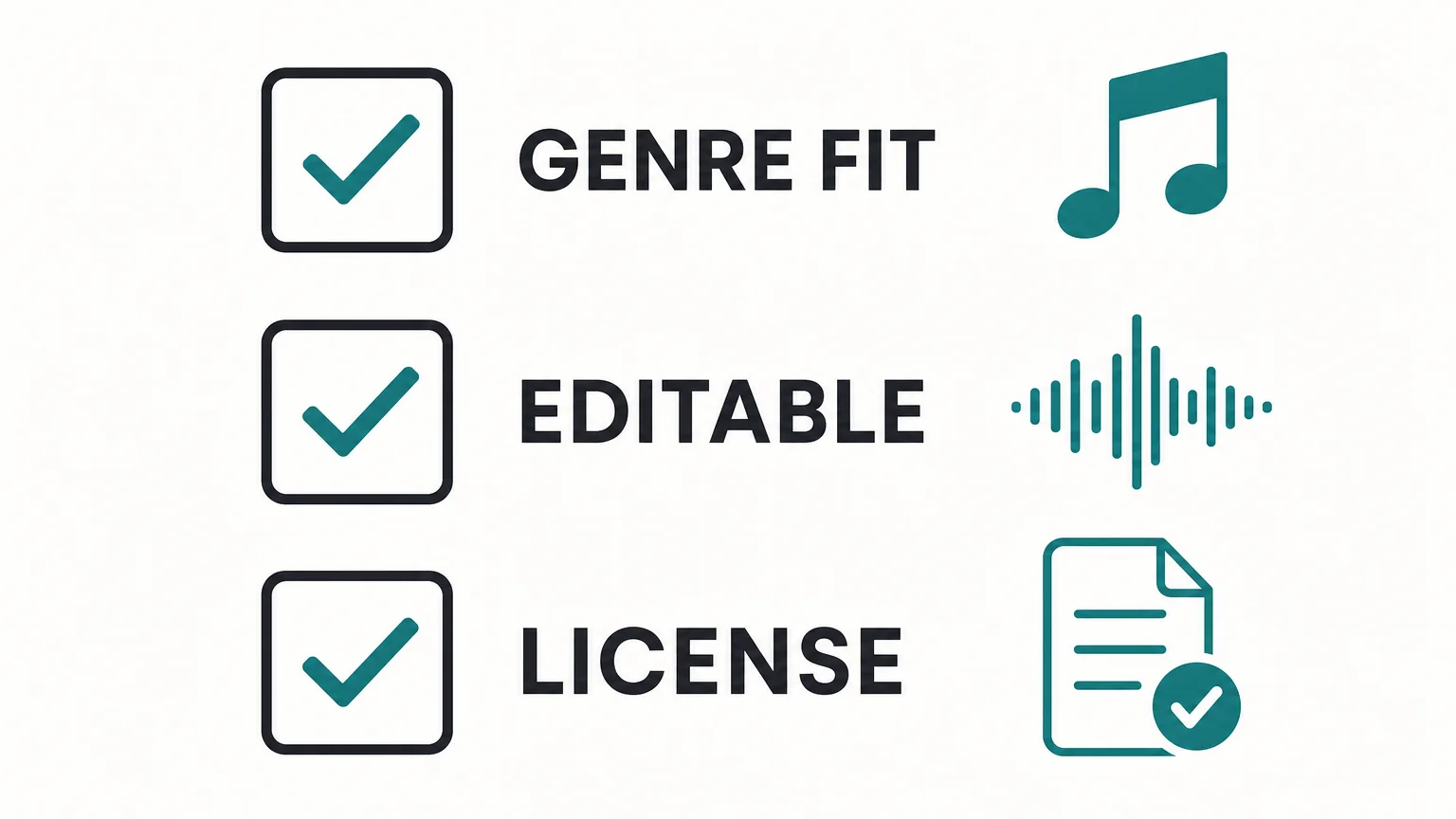
Start with genre fit and sound quality, then check how quickly you can find and edit useful sounds. A long preset count is less informative than a collection where the sounds match your work and you can hear how they behave in a beat. You can also check whether the bank suits your DAW and computer, and whether its license covers the commercial uses you have in mind.
Licensing deserves its own check. A 2026 Berklee report found that 36.9% of surveyed video creators, musicians, marketers, and music supervisors cited at least one licensing or rights-management barrier. That figure concerns music used in video, not sound-bank licenses, but it underlines why you should read the specific terms rather than assume every library grants the same rights. Our products are royalty-free for commercial beats you sell, place, or license under their stated terms, with no additional royalties owed; account sharing and redistribution are excluded.
For a concrete example, our full Pendora edition includes 275+ presets across 30+ sound categories, and its product page displays a 4.71/5 rating from 59 verified-buyer reviews. Those details give you a sense of its breadth and the feedback shown for that edition, but they do not replace checking whether its sound character suits your own tracks. For more selection criteria, see how to judge if a sound bank is worth it.
Choose the workflow that serves the beat
Buying a sound bank instead of making every sound is a practical choice when prepared, genre-relevant starting points help you stay focused on writing and finishing. It does not remove the producer’s role: taste, arrangement, performance, and processing still shape the result. Build from scratch when the sound needs a distinct identity or you want the sound-design practice; use a bank when it helps you reach the next musical decision sooner.
Find Sounds That Fit Your Beatmaking Workflow
If your sessions lose momentum during preset hunting, a focused bank can give you more time to shape melodies, drums, and arrangements. We make Pendora for producers working in trap, drill, dark trap, phonk, boom bap, pluggnb, and related styles, with sounds intended as editable starting points rather than finished beats.
Our full edition includes 275+ studio-ready presets, with a one-time purchase, royalty-free commercial use under the stated terms, and free lifetime updates. Explore our sound bank for producers and choose the edition that fits your workflow.
Frequently Asked Questions
Do professional producers still make sounds from scratch?
Yes. Producers may design signature sounds themselves while using prepared presets or samples for other parts of a track. The choice depends on the sound they need and the time they want to spend creating it.
Is using a preset the same as copying a beat?
No. A preset provides a sound source, not the melody, rhythm, arrangement, or production choices of a finished beat. Producers can edit and process presets to make them fit their own work.
Can a sound bank help when I have beat block?
A curated sound can suggest a new melodic or textural direction when you are stuck choosing a starting point. It cannot replace developing the idea, but it may help you get back to writing.
What should I check before using a sound bank commercially?
Read the specific license for the bank and confirm that it covers your intended release, placement, or beat sale. Do not assume that terms for one sound library apply to another.
What kind of sounds does Pendora include?
Our full Pendora edition includes 275+ presets across categories such as pads, bells, orchestras, plucks, banjos, and dark 808s, alongside production assets. It is focused on styles including trap, drill, dark trap, phonk, boom bap, and pluggnb.