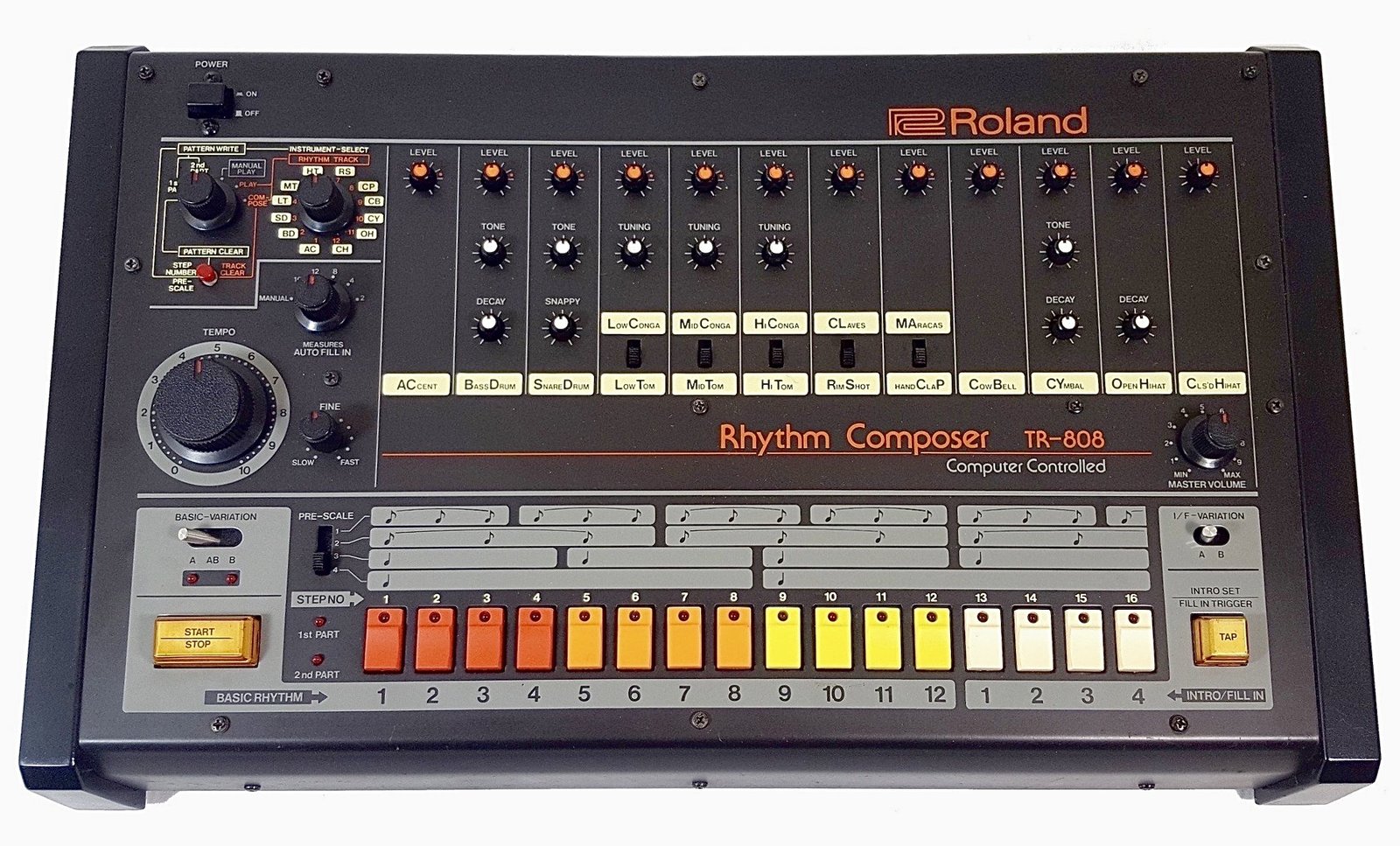
The best 808 VST plugins for trap and hip hop right now are SubLab (Future Audio Workshop), 808 Studio 2 (Initial Audio), Nepheton 2 (D16 Group), and bx_subsynth (Plugin Alliance) for shaping and synthesizing sub-bass, plus Splice and Cymatics as the two biggest sample sources for pre-recorded 808 one-shots. If your 808s sound muddy or your drums feel flat, the fix is usually a tool built specifically for sub-bass rather than a general synth, paired with basic EQ and sidechain work. Below is what each option actually does, what it costs, and when a preset-based option like Pendora saves you the mixing step entirely.
- Why 808s go muddy in the first place
- Comparison table
- SubLab (Future Audio Workshop)
- 808 Studio 2 (Initial Audio)
- Nepheton 2 (D16 Group)
- bx_subsynth (Plugin Alliance)
- Splice and Cymatics: sample sources instead of synths
- Pendora V3.0 (Tiger-Sounds)
- Mixing tips: how to stop your 808 from muddying the mix
- FAQ
Why 808s go muddy in the first place
Muddy 808s almost always come down to three things: an untuned sample, no separation from the kick, and too much low-mid buildup. An 808 that isn’t tuned to the track’s key clashes with the bassline and the chords, which reads as “muddy” even when the EQ is clean. A synthesized 808 solves the tuning problem automatically since it plays on pitch like any instrument. A sample-based 808 needs a tuner plugin or manual pitch matching, per MusicRadar’s guide to getting weighty 808 kicks, which also recommends cutting below 25Hz and layering a punchier kick around 80 to 100Hz to give a naturally thin 808 attack more front-end presence.
808 VST plugins and sample sources compared
| Tool | Type | Price | Best for |
|---|---|---|---|
| SubLab | 808/sub-bass synth | $29 (promo, list $70) | Punchy sub that translates on small speakers |
| 808 Studio 2 | 808/sub-bass synth | $39 (sale, regular $69) | Custom bass design with drag-and-drop samples |
| Nepheton 2 | TR-808 drum machine emulation | €119 | Authentic vintage 808 drum sounds and sequencing |
| bx_subsynth | Subharmonic sub-bass processor | $149 | Adding real sub weight to an existing 808 or kick |
| Splice | Sample subscription | From $12.99/mo (100 credits) | Constant supply of pre-mixed 808 one-shots and loops |
| Cymatics | Sample packs | From free, bundles around $25-50 | One-time 808 sample packs, no subscription |
| Pendora V3.0 | Trap/drill preset bank | €149 | 808 presets that are already tuned and mixed |
Prices verified directly from each vendor’s site in August 2026. Promotional prices on SubLab and 808 Studio 2 change often; check the current price before buying.
SubLab (Future Audio Workshop)
SubLab is built around one idea: an 808 isn’t just a sine wave, it’s a sub layer and a sample-based attack layer working together. Its X-Sub oscillator is designed to keep sub frequencies consistent across different bass notes and playback systems, and it ships with 250 factory samples plus six signature packs, including one curated by producer Richie Souf, per Future Audio Workshop’s official product page.
Strengths: a built-in compressor with auto-sidechain so the kick-vs-808 clash gets handled inside the plugin, five distortion modes for adding harmonic weight without a separate saturator, NKS support for Native Instruments hardware.
Limitations: it’s a sub-bass specialist, not a full synth. You won’t design bells, plucks, or leads with it.
Pricing: $29 at the current promotional price, list price $70.
808 Studio 2 (Initial Audio)
808 Studio 2 gives you three oscillators plus a dedicated sub oscillator, which makes it the deeper sound-design option of the two dedicated 808 synths on this list. It combines analog-modeled filtering with keytracking, a tempo-synced LFO, and drag-and-drop sample layering, and Initial Audio reports it holds a 4.9 out of 5 rating across 687 reviews.
Strengths: built-in sidechain ducking for the kick, an effect rack with chorus, overdrive, distortion, and EQ so you rarely need outboard plugins, a waveform scope for visual feedback while shaping the sound.
Limitations: more parameters than SubLab means a longer learning curve if you just want a fast, punchy 808 without tweaking oscillators.
Pricing: $39 at the current sale price, regular price $69, per Initial Audio’s official product page.
Nepheton 2 (D16 Group)
Nepheton 2 is a full emulation of the original Roland TR-808 drum machine, not a modern sub-bass synth, which makes it the right pick if you want the vintage 808 kick, snare, and percussion character rather than a hyper-modern trap sub. It includes two bus effect chains, per-step articulations like flams, a step sequencer with over 1,200 factory presets and patterns, and audible trigger outputs that mimic the original hardware’s behavior.
Strengths: the most authentic vintage 808 tone on this list, a full drum machine workflow (not just a bass tone), dedicated channel strip EQ and compression per drum sound.
Limitations: it’s tuned toward the classic 808 drum kit sound, not the pitched, sliding sub-bass 808 that dominates modern trap and drill. Pair it with a sub synth if you need both.
Pricing: €119.
bx_subsynth (Plugin Alliance)
bx_subsynth isn’t an 808 synth at all, it’s a subharmonic processor built around the circuit of the dbx 120XP, which makes it useful for a different problem: adding real, physical sub-bass weight to an 808 or kick that already exists but feels thin. It generates actual low-end content rather than tricking the ear into perceiving it, across up to three bands.
Strengths: the “Tight Punch” mode adds a resonant sub peak while filtering unwanted low frequencies, useful directly on the exact muddy-808 problem this article opened with; “Edge” processing adds saturation from smooth to aggressive.
Limitations: it processes an existing sound rather than generating a new 808 from scratch, so it’s a mixing tool, not a starting point.
Pricing: $149.
Splice and Cymatics: sample sources instead of synths
If you’d rather grab a pre-mixed 808 one-shot than design one, Splice and Cymatics are the two largest catalogs. Splice runs on a subscription and credit system: the Sounds+ plan is $12.99 a month for 100 sample credits, and the Creator plan is $19.99 a month for 200, with unused credits rolling over. Every sample costs one credit, so 100 credits is 100 downloadable 808 one-shots or loops a month.
Cymatics sells 808s mostly as one-time sample packs and bundles rather than a subscription, with some trap and 808 packs free and paid bundles typically landing in the $25 to $50 range depending on promotions, per Cymatics’ sample pack catalog.
Strengths: zero sound design required, huge variety, samples are already mixed by other producers so you hear exactly what you’re getting before downloading.
Limitations: a subscription (Splice) means recurring cost and files you lose access to if you cancel; one-shot packs (Cymatics) still need tuning to your track’s key, and popular packs get reused across thousands of beats, so originality suffers.
Pendora V3.0 (Tiger-Sounds)
Pendora V3.0 takes a third approach: instead of a synth to shape or a sample pack to sort through, it’s a preset-based plugin with 15-plus 808 presets built specifically for trap, drill, and phonk, already tuned and processed. It’s part of a wider 275-plus preset library across 30-plus categories, including a separate 23-plus preset Bass category, and ships with the Pendora Producer Kit, Coffee and Colors drum kits, and an FX pack. It holds a 4.7 out of 5 rating from 59 verified buyer reviews on the Pendora product page.
Strengths: no EQ, sidechain, or tuning setup needed to get a usable 808, one-time payment instead of a subscription, VST3/AU across FL Studio, Ableton, Logic, Cubase, Pro Tools, and Reason, optimized to run 30-plus instances without CPU strain.
Limitations: presets are a fixed starting point, not a synthesis engine. If you want to design a completely custom 808 curve from scratch, SubLab or 808 Studio 2 gives you that control and Pendora doesn’t. A €29 Pendora Lite edition offers 30 hand-picked presets for producers who want to test the sound first.
Pricing: €149 for the full V3.0 bundle, €29 for the Lite edition.
Mixing tips: how to stop your 808 from muddying the mix
Tune it, cut the sub-sonic junk, and duck it around the kick. These three moves fix most muddy 808 complaints regardless of which plugin generated the sound:
- Tune to the key. Use a tuner plugin or ear-match against a reference synth patch; an untuned 808 clashes with the chords even with perfect EQ, per MusicRadar’s 808 kick guide.
- High-pass below 25Hz. Removes inaudible sub-sonic content that eats headroom without adding perceived weight.
- Layer a punchier kick around 80 to 100Hz. An 808’s attack is naturally thin, so a second, snappier kick layer restores the front-end punch.
- Sidechain the 808 off the kick. A fast attack, quick release ducking triggered by the kick keeps both elements audible instead of fighting for the same frequency space, a technique Waves’ guide to mixing 808s also recommends alongside light saturation to add harmonics that translate on small speakers.
- Use gentle saturation, not heavy distortion. A little tape or tube-style saturation adds low-mid harmonics that help the 808 read on phone speakers; too much turns “weight” into “mud.”
Every plugin above handles part of this automatically. SubLab and 808 Studio 2 both include built-in sidechain ducking, so you can skip a separate compressor. Pendora’s 808 presets are already tuned and processed, which is the tradeoff for giving up custom sound design.
FAQ
What’s the difference between an 808 VST and an 808 sample pack?
An 808 VST like SubLab or 808 Studio 2 is a synthesizer that generates the sound live and plays in tune with your MIDI, so you get infinite variations from one instrument. A sample pack from Splice or Cymatics gives you fixed audio files that need manual tuning and don’t respond to MIDI the same way.
Why does my 808 sound muddy even after EQ?
The most common cause is an untuned sample clashing with the key of the track, not a missing EQ cut. Fix the tuning first, then apply a high-pass filter below 25Hz and sidechain against the kick; EQ alone rarely solves a tuning problem.
Do I need a dedicated 808 plugin, or can I use a regular synth?
A general-purpose synth like Serum or Vital can build an 808 from scratch if you’re comfortable with wavetable sound design, but it takes longer than a dedicated tool like SubLab or 808 Studio 2, both of which include sidechain ducking and distortion built specifically for sub-bass.
Is Splice or Cymatics better for 808 samples?
Splice suits producers who want a constant, rotating supply of fresh 808s and don’t mind a monthly subscription. Cymatics suits producers who prefer paying once for a pack they keep permanently, with some content available free.
Can preset-based plugins like Pendora replace a dedicated 808 synth?
For speed, yes: Pendora’s 808 presets are already tuned and mixed for trap and drill, so there’s no setup step. For producers who want to build a fully custom sub-bass curve or match an unusual key signature precisely, a synthesis-based tool like SubLab or 808 Studio 2 still gives more control.
The bottom line
There’s no single best 808 tool, only the right one for whether you want to design, process, or load a sound. SubLab and 808 Studio 2 synthesize custom 808s with built-in mixing tools, Nepheton 2 nails the vintage TR-808 drum character, bx_subsynth fixes an existing thin low-end, Splice and Cymatics hand you ready-made samples, and Pendora V3.0 skips the mixing step entirely with 808 presets built for trap and drill. If flat drums are as much of a problem as muddy 808s, start with the Pendora VST product page or browse drum kits on the Tiger-Sounds shop.