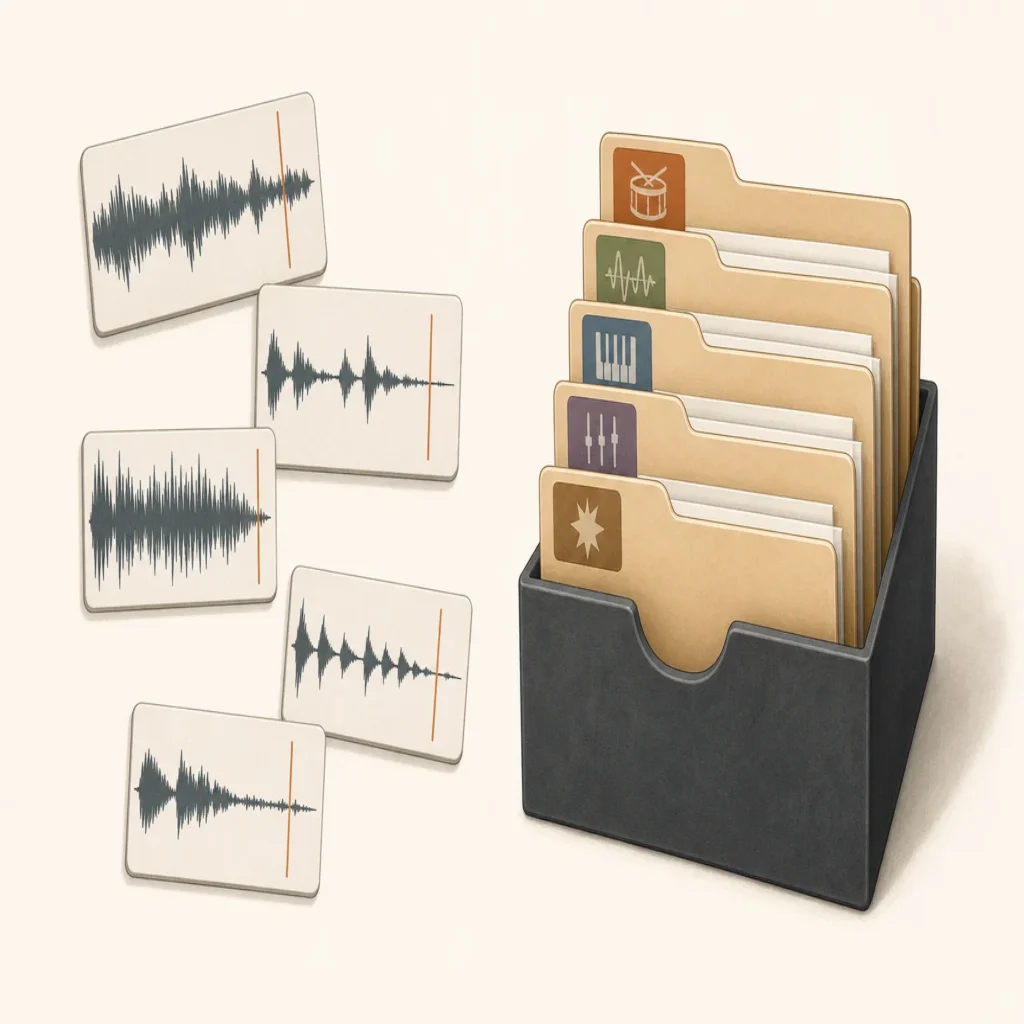
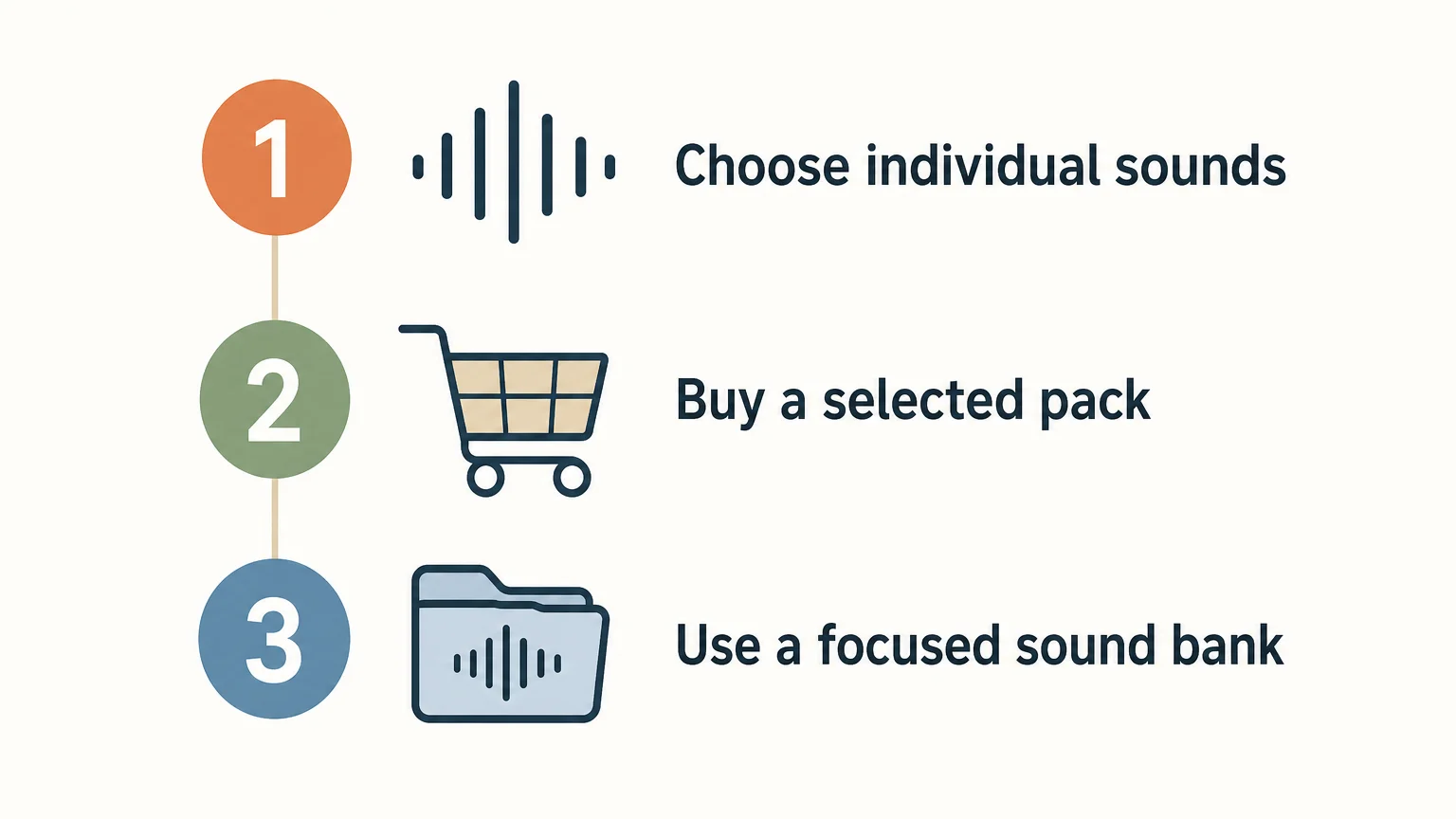
Summary: Splice uses a subscription and credits for downloading individual sounds, while Loopmasters centers on buying sample packs separately. Splice suits producers who regularly search and audition samples; Loopmasters suits those who prefer choosing complete packs. If you want a focused, playable sound bank rather than either kind of sample library, Pendora is a separate option for genre-led beatmaking.
How many sample credits actually reach finished beats, and do you prefer choosing individual sounds or keeping a whole pack? That distinction defines Splice vs Loopmasters: Splice meters downloads through a subscription, while Loopmasters sells packs for individual purchase. For producers comparing sample sources with a focused instrument workflow, our Pendora vs Loopmasters comparison outlines a separate genre-focused option.
The practical decision is less about declaring a winner than matching the buying model to your sessions. Splice’s credits and search tools are built around selecting sounds one at a time; a Loopmasters purchase centers on a particular pack. A 2025 sample-library comparison also describes this basic contrast between subscription credits and buying packs outright. Keep in mind that Loopmasters and Loopcloud are related but distinct products, so a Loopcloud subscription is not the same as purchasing a Loopmasters pack.
What are you buying from each service?
For a producer building a library, the first question is whether to pay repeatedly for access to a download allowance or buy particular collections as needed. The table compares the core Splice Sounds subscription with Loopmasters’ sample-pack store, not Loopcloud.
| Criterion | Splice | Loopmasters |
|---|---|---|
| Buying model | Subscription plans provide credits for downloading sounds. | Purchase selected sample packs individually. |
| What you select | Individual samples, loops, one-shots, MIDI and presets. | Curated packs with contents and formats described on their product pages. |
| How spending works | Samples use credits; MIDI and presets can use more. | Pay for the chosen pack; the amount depends on the product. |
| After cancellation | Downloaded sounds remain licensed; remaining credits expire under Splice’s cancellation policy. | There is no subscription credit balance attached to an individually purchased pack; its license terms still apply. |
Splice’s current plan information says one sample costs one credit, while MIDI and presets can cost up to three. Unused credits roll over while a qualifying subscription remains active, but the remaining balance expires 28 days after the final billing period ends. A producer-oriented sample-pack sales guide likewise distinguishes per-pack purchases from subscription marketplaces.
Loopmasters describes its store as a place to browse sample libraries across genres, with downloadable sounds and pack-specific formats. That format gives you a straightforward choice: identify a collection you want, buy it, and add its contents to your own library. The exact pack price and contents depend on the listing, so compare those details before checkout rather than assuming all packs have the same size or cost.
Splice: when does the credit model fit?
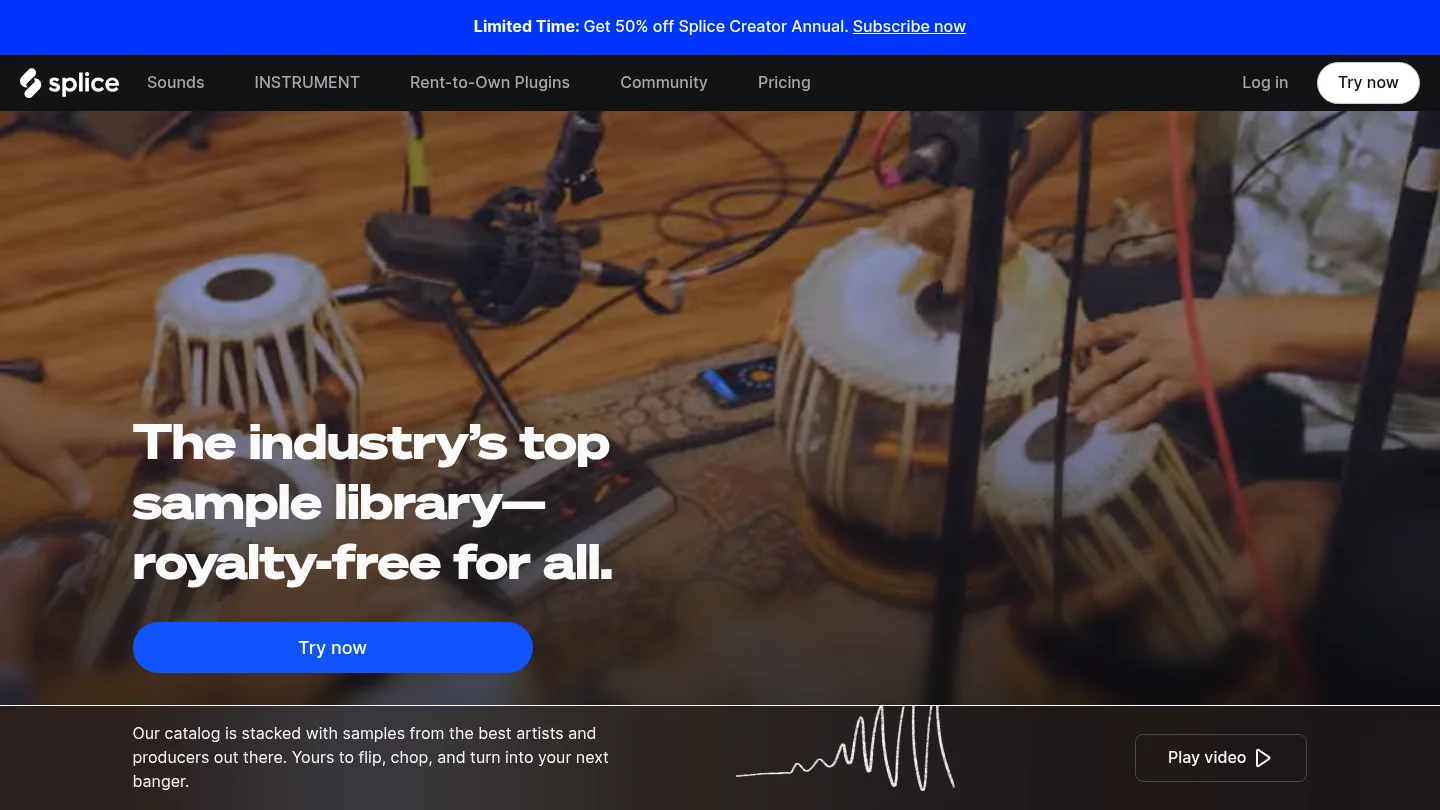
Best for: Producers who search for individual sounds regularly and want to audition a wide range of samples during ongoing beatmaking sessions.
Splice gives subscribers credits to download samples, loops, one-shots, MIDI and presets. Its catalog supports browsing by useful descriptors such as genre, instrument, key and tempo, and its current plan information describes Bridge as a way to audition sounds in the context of a project without using credits. This can help when a producer wants to test whether a loop works with a session before committing to it. The downloaded files can then be brought into a DAW such as FL Studio, Ableton Live or Logic Pro.
There is an important difference between downloaded sounds and unused credits. Splice states that sounds already downloaded remain covered by their license if you cancel, while credits left over expire after the cancellation window. That makes the subscription most practical when new sounds are a regular part of your production routine, rather than a library you visit only occasionally.
Pros
- Individual downloads let you select particular sounds instead of purchasing an entire pack.
- Search and project-context auditioning support a browse, listen, then choose workflow.
- Downloaded sounds remain covered under their license after cancellation.
Cons
- New credits are tied to an ongoing plan, and remaining credits expire after cancellation.
- Producers who only need a few sounds now and then may find a recurring subscription less suited to their buying habits.
Loopmasters: when does buying packs make sense?
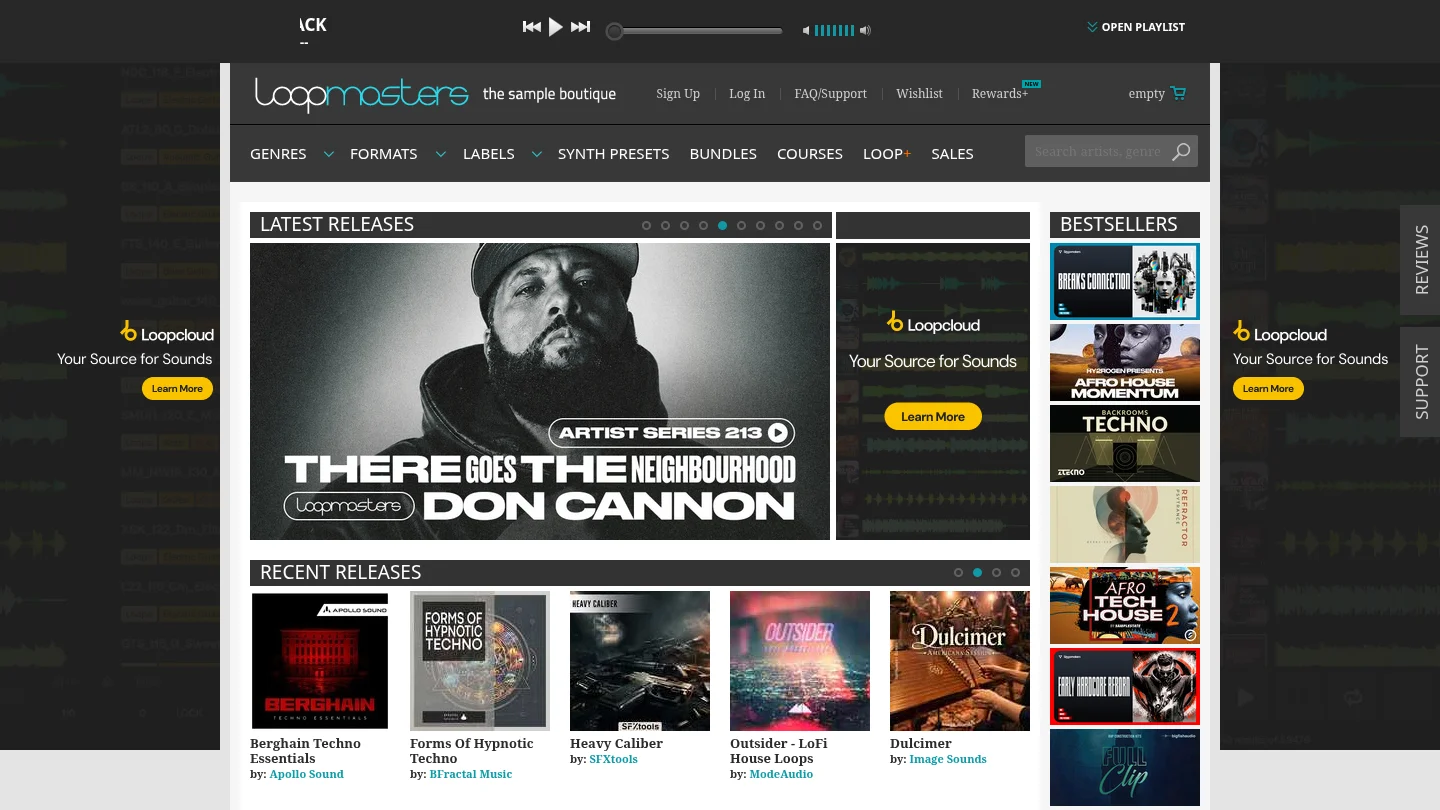
Best for: Producers who prefer choosing a defined collection at a time and building a library from packs they have selected.
Loopmasters is a sample-pack store rather than the name for its related subscription product. The store organizes downloadable packs across multiple styles and provides product-specific details, such as included content and formats. A pack purchase suits a workflow where you already know the collection or genre you want, rather than subscribing primarily to browse one sound at a time.
Loopmasters’ licensing information allows purchased sounds to be used in musical compositions, including commercial releases, subject to the applicable license and exceptions. It does not transfer ownership of the sounds, and the license does not permit redistributing them in isolation or repackaging them as another sample product. The terms for non-Loopmasters products can differ, so check the specific license attached to the pack.
One historical detail helps keep the services distinct: in May 2019, Loopmasters ended its relationship with Splice Sounds and removed its labels and sounds from the platform. MusicRadar’s 2019 coverage describes that change; it is background, not a statement about every current listing or the services’ present-day catalog contents.
Pros
- Buying a selected pack gives you a concrete collection without maintaining a sample-credit subscription.
- Pack pages help you assess a collection’s contents and formats before buying.
- Purchased sounds can be used in musical compositions, including commercial releases, within the applicable license terms.
Cons
- A pack purchase is less granular than choosing individual sounds, so it may be a less direct fit if you only want a few specific files.
- Pack contents and licenses vary, so review each listing rather than treating every product as identical.
How should you choose for your beatmaking workflow?
Imagine you are finishing a beat and need one particular snare, a vocal texture or a melodic loop. If you expect to repeat that search every week, a subscription built around individual downloads may fit the routine. If you have already found a pack with the sounds and formats you want, buying that pack individually may make more sense than carrying another monthly plan.
Use these criteria before paying:
- Frequency of use: Estimate how often you actually source new sounds, not how often you browse when inspiration is low.
- Selection style: Choose individual sound discovery if you like to audition and select files; choose packs if you prefer a defined collection.
- Cancellation plans: If you use Splice, account for its credit-expiry rule as well as the license on sounds already downloaded.
- License and file details: Check the specific terms, formats and included content for the material you intend to use in a release.
Keep the distinction between a sample source and an instrument clear. These services provide sounds and production assets; they are not substitutes for synthesizers or samplers such as Serum, Omnisphere, Kontakt or Vital. Your choice of source material is separate from whether your DAW is FL Studio, Ableton Live or Logic Pro.
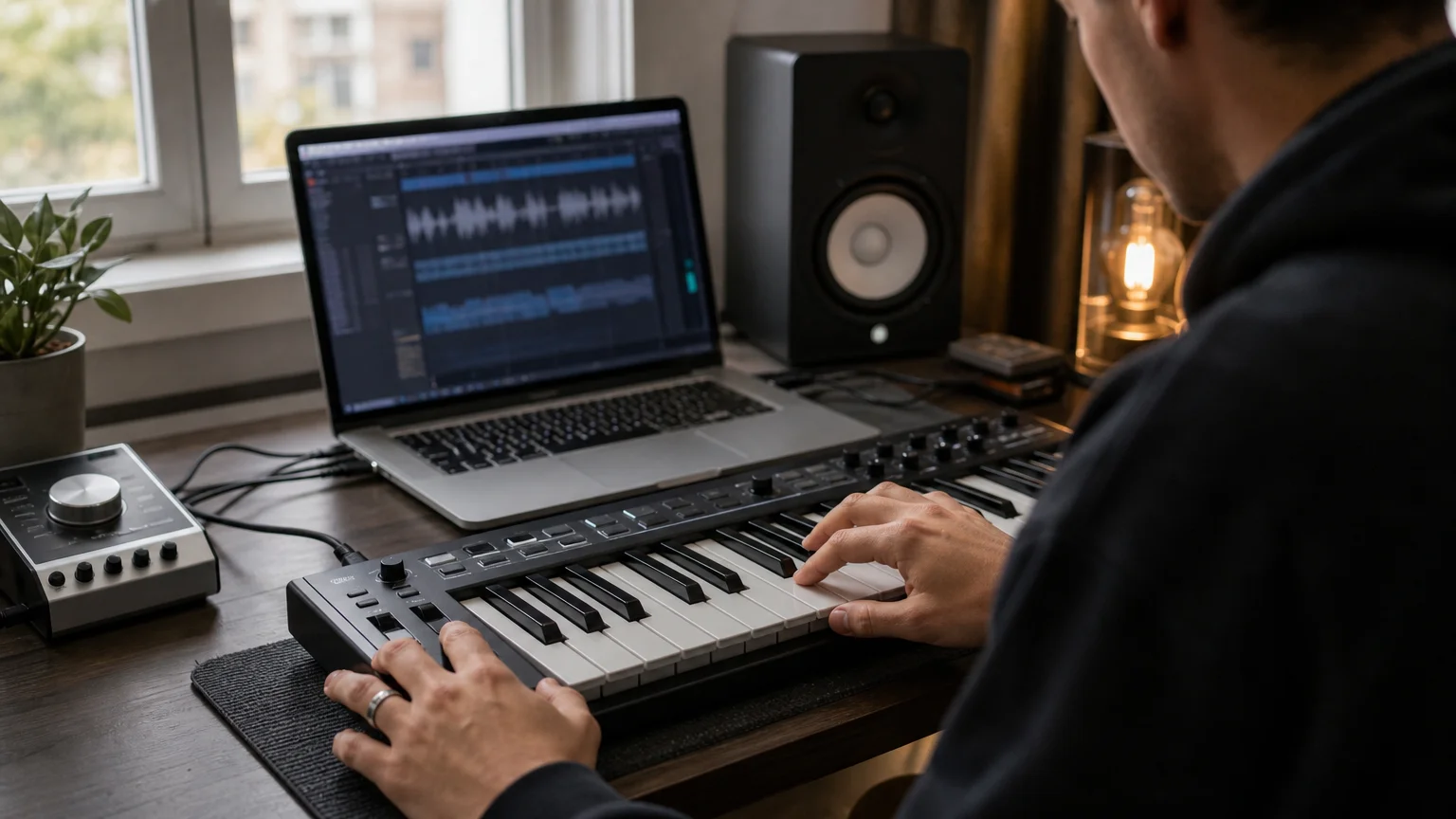
Where does a genre-focused sound bank fit?
What if the main need is not an open-ended sample search, but playable sounds shaped for a particular kind of beat? Our Pendora sound bank is a separate format for producers working in trap, drill, dark trap, phonk, boom bap and pluggnb. The full edition includes 275+ presets or studio-ready sounds alongside expansion packs, drumkits, MIDI, an FX pack and other production assets. It is a one-time purchase rather than a sample subscription.
This is a different comparison from Splice versus Loopmasters: Pendora is a focused virtual instrument and sound bank, not a store for picking individual sample files or browsing many labels’ pack catalogs. Tiger-Sounds has sold Pendora since 2020 and states that more than 500 producers use it. For the differences in model and sound-bank approach, see Pendora vs Splice. If you are still weighing pack stores, our Loopmasters alternatives page covers other routes.
For a producer dealing with beatblock or preset hunting, a more focused set of sounds can give the session a clear starting point. The benefit depends on whether those genres and sounds fit your work; it does not replace the broader discovery role of a sample platform.
Conclusion
Choose between Splice and Loopmasters by looking at how you actually collect sounds. Splice centers on recurring credits and selecting individual downloads; Loopmasters centers on purchasing chosen sample packs. Compare the specific license and product details before using sounds in a commercial release. The clearest sample-library buying choice is the one that matches your search habits, budget rhythm and preference for single sounds or complete collections.
Choose a focused sound bank for beatmaking
If your sessions call for melodic ideas and production sounds in trap, drill, phonk, dark trap, boom bap or pluggnb, you may want a curated instrument workflow alongside a sample library. We make Pendora for producers who prefer genre-focused presets and assets over searching a broad catalog for every starting point.
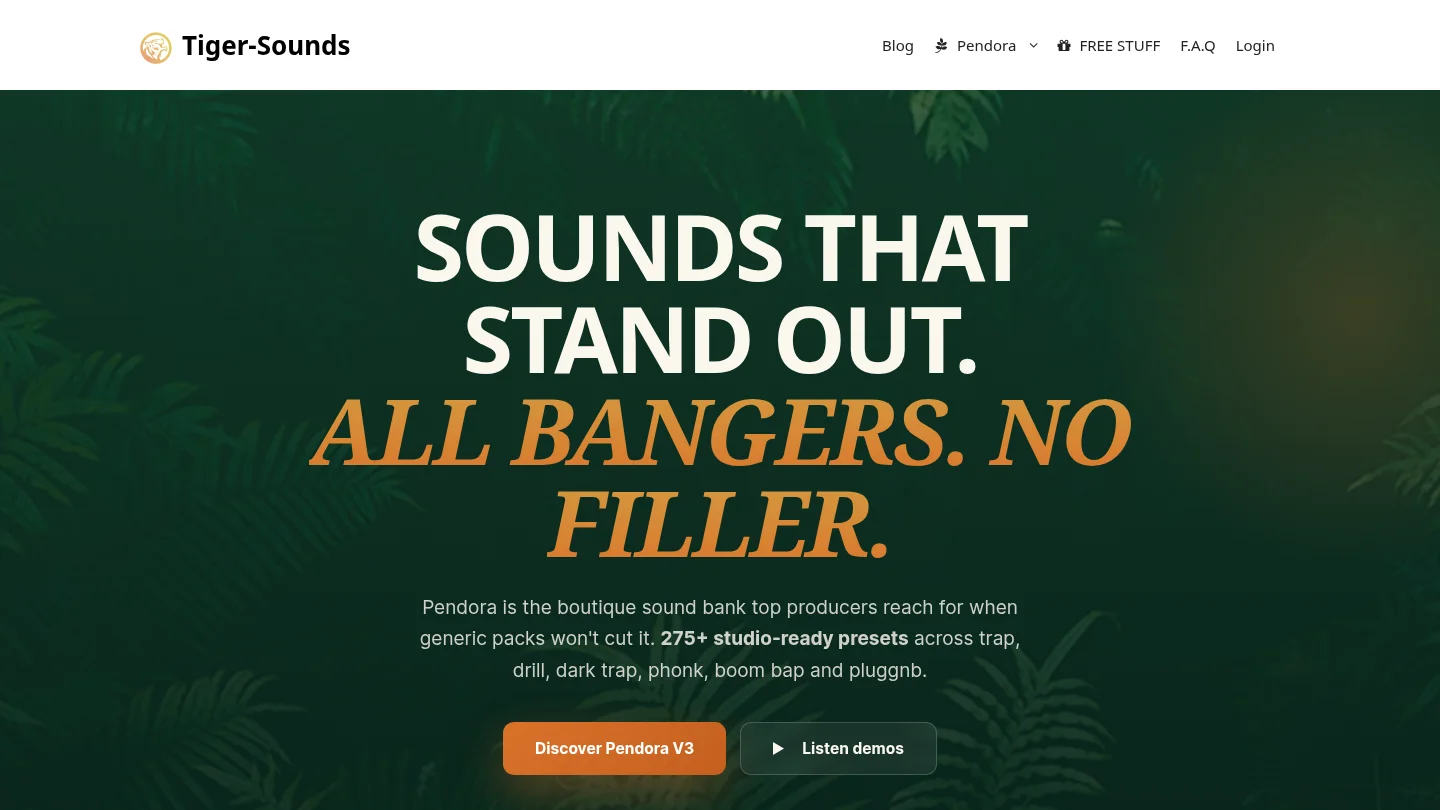
Our full Pendora edition includes 275+ presets or studio-ready sounds, three expansion packs, a Producer Kit, two drumkits, MIDI content and an FX pack. It is sold as a one-time purchase, with royalty-free commercial use and lifetime updates under the stated terms. Explore the Pendora sound pack and check the included sounds against your DAW workflow.
Frequently Asked Questions
Are Splice and Loopmasters the same kind of service?
No. Splice centers on a subscription and credits for individual downloads, while Loopmasters is a store for purchasing selected sample packs. Loopmasters’ related service Loopcloud is separate from buying packs in the Loopmasters store.
Can I keep sounds downloaded from Splice if I cancel?
Splice says sounds already downloaded remain covered by their license after cancellation. Unused credits follow a separate rule and expire after the final billing period’s cancellation window.
Can I use Loopmasters samples in commercial music?
Loopmasters’ general license permits purchased sounds to be used in musical compositions, including commercial releases, subject to its terms and exceptions. It does not grant ownership of the sounds or permission to redistribute them in isolation.
Which option suits a producer who only needs a few sounds?
Splice’s credit model allows selection of individual sounds, which can suit that need. Compare the subscription commitment and credit rules with the contents and price of any Loopmasters pack you are considering.
Is Pendora another sample subscription?
No. Pendora is a genre-focused virtual instrument and sound bank sold by Tiger-Sounds as a one-time purchase. It serves a different role from a subscription catalog or a store of separately purchased sample packs.