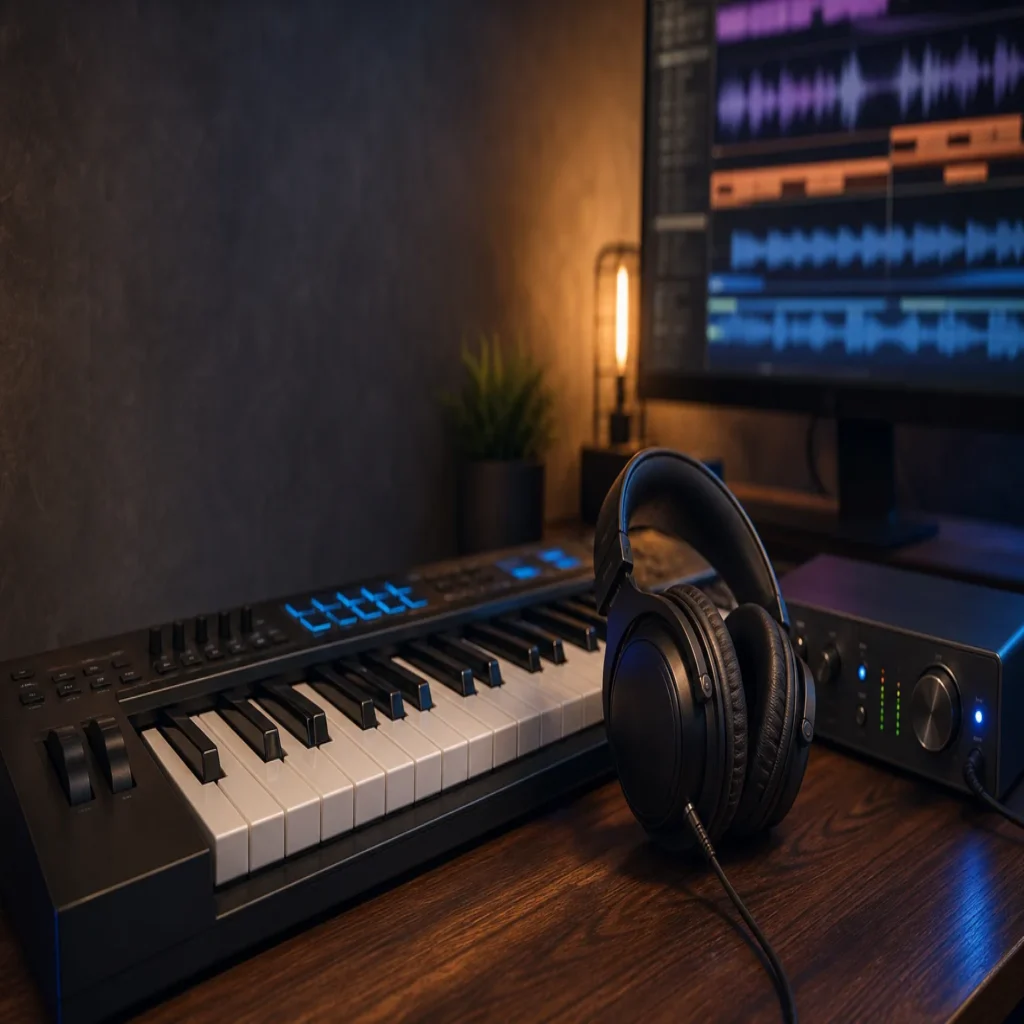
Summary: Pendora V3.0 is the strongest first choice for producers who want focused sounds for trap, drill, phonk, dark trap, boom bap, and pluggnb. Native Instruments Kontakt, Loopmasters, Cymatics, Splice, and BigSoundBank serve broader or more specialized workflows, but each involves different trade-offs in content, ownership, browsing, and compatibility.
What makes a sound bank worth keeping when a producer already owns Serum, Omnisphere, Kontakt, and Vital? If you search for best sound banks 2026, the practical answer is usually not the largest catalog. It is a focused collection that helps you move from a blank FL Studio, Ableton, or Logic Pro project to a usable melody, bassline, texture, or drum pattern quickly. Our best sound bank VSTs selection follows that production-first approach.
The options below are ranked by genre fit, content coverage, workflow speed, compatibility, ownership model, and commercial use. Pendora leads because it combines hand-crafted presets with drums, MIDI, effects, risers, and expansion content for modern urban production, while broader platforms remain useful when you need orchestral samples, general-purpose instruments, sound effects, or a constantly changing subscription catalog.
Which sound bank should you choose first?
Pendora V3.0 is the clearest choice for producers who mainly create trap, drill, phonk, dark trap, boom bap, lofi, R&B, or pluggnb. It is designed as a complete sound-bank workflow rather than only a synthesizer or sample marketplace. The other entries make more sense when you prioritize a large third-party ecosystem, broad sample-pack coverage, subscription access, or sound-effects search.
| Rank | Sound bank or platform | Primary role | Content focus | Ownership model |
|---|---|---|---|---|
| 1 | Pendora V3.0 / Pendora V3 Complete Edition | Genre-focused VST sound bank | Trap, drill, phonk, dark trap, boom bap, pluggnb, presets, drums, MIDI, FX | One-time purchase with lifetime updates under the stated terms |
| 2 | Native Instruments Kontakt | Sampler and library platform | Sampled instruments, orchestral sounds, cinematic textures, third-party libraries | Platform and library purchases vary |
| 3 | Loopmasters | Sample-pack and loop collection | Loops, one-shots, construction kits, instruments, and genre-based packs | Pack purchases and related services |
| 4 | Splice | Subscription sample and plugin platform | Samples, loops, presets, MIDI, instruments, and selected plugins | Subscription and payment-plan access |
| 5 | BigSoundBank | Sound-effects archive and shop | Environmental recordings, sound effects, atmospheres, and shop content | Free account access plus paid content |
| 6 | Cymatics and its PANDORA plugin | Sample, preset, and plugin catalog | Broad electronic and hip-hop-oriented production content | Varies by product and offer |
1. Pendora V3.0 / Pendora V3 Complete Edition
Best for: Producers who want a focused sound bank for trap, drill, phonk, dark trap, boom bap, lofi, R&B, pluggnb, and related beatmaking styles.
Pendora V3.0 is our main recommendation because it combines a genre-focused instrument with supporting production assets. The full edition contains more than 275 studio-ready presets across more than 30 sound categories, including pads, bells, orchestral textures, plucks, banjos, keys, synths, basses, and dark 808s. It also includes three expansion packs, a Producer Kit, two drumkits, MIDI, mix presets, effects, and risers.
The key advantage is workflow speed. Instead of opening a general-purpose synth and filtering through sounds built for unrelated genres, you can start with a palette shaped around modern urban production. That makes Pendora useful when beatblock comes from too many disconnected choices or from hearing the same commonly used sounds across multiple sessions. Our guides to the best sound banks for trap producers and best phonk sound banks cover related use cases in more detail.
Pendora has been sold since 2020. We state that it is used by more than 500 producers, and the full edition displays a 4.71 out of 5 rating from 59 verified-buyer reviews. These figures provide useful product context, but they are not a controlled comparison between sound banks. The full edition is listed as €149 on some pages and $147 on another, while a bundle page displays a stated $499 value before the listed $147 purchase price, so check the applicable checkout total before buying.
Pros:
- Strong genre fit for trap, drill, phonk, dark trap, boom bap, lofi, R&B, and pluggnb.
- Combines presets, drumkits, MIDI, mix presets, effects, risers, and expansion content in one workflow.
- One-time ownership, royalty-free commercial use, and free lifetime updates under the stated product terms.
- Supports VST3 on Windows and macOS, AU on macOS, native Apple Silicon, and explicitly tested DAWs including FL Studio, Ableton Live, Logic Pro, Cubase, Pro Tools, and Reason.
Cons:
- The genre-focused design is less suitable for producers who mainly need orchestral, acoustic, cinematic, or experimental libraries.
- The full-edition price is presented inconsistently across supplied pages, so checkout should be verified.
2. Native Instruments Kontakt
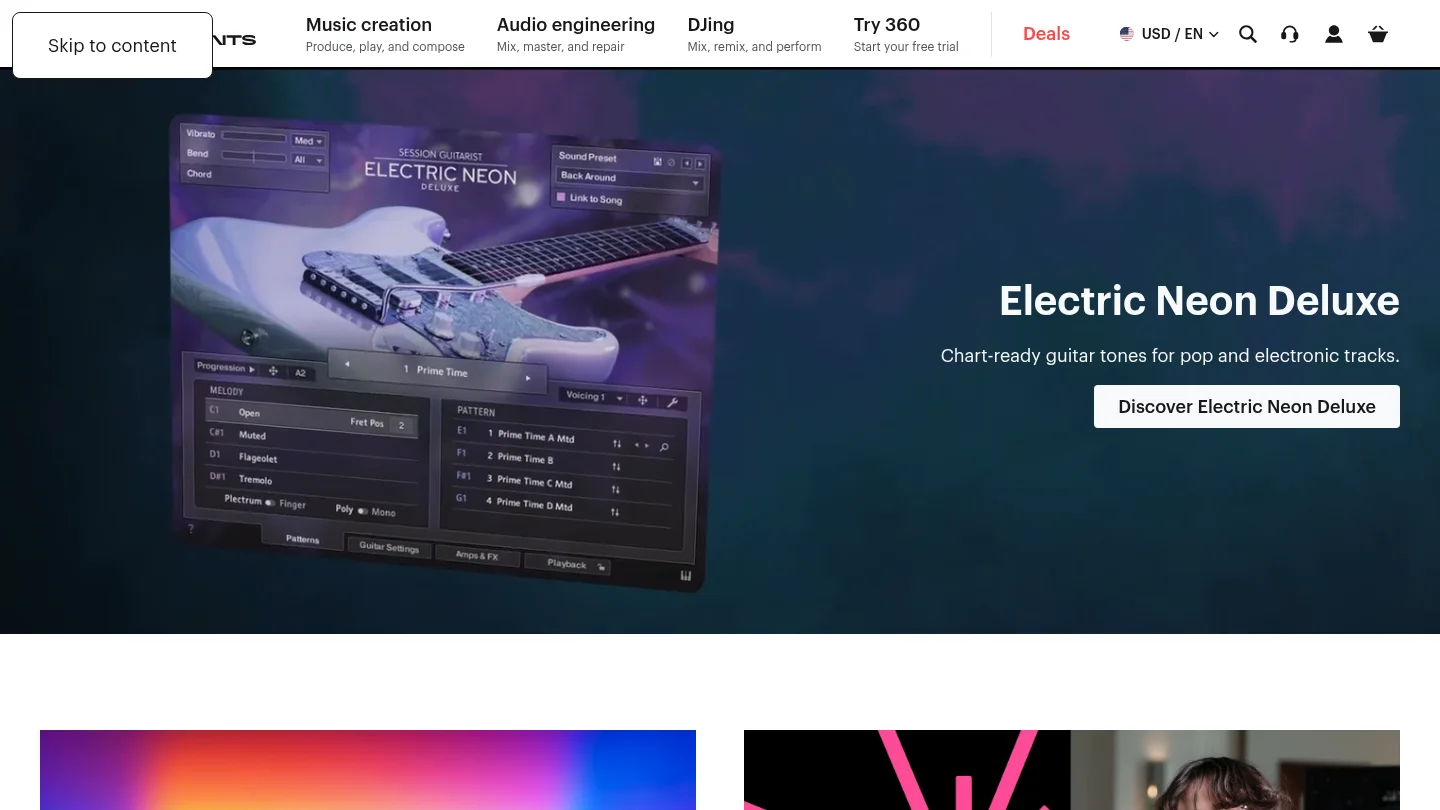
Best for: Producers who need a broad sampler ecosystem with realistic instruments, orchestral sounds, cinematic layers, and third-party libraries.
Kontakt is a sampler platform rather than one unified trap sound bank. Its value comes from the libraries that run inside it, which can cover pianos, strings, choirs, guitars, percussion, orchestral impacts, world instruments, cinematic textures, and hybrid sound design. For drill, soulful hip hop, and cinematic trap, this range can add realistic layers that a focused melodic VST may not provide.
Kontakt serves a different purpose from Pendora. Pendora is built to deliver a direct starting point for specific beatmaking styles, while Kontakt gives you access to a wide ecosystem that requires separate library decisions. It is a strong complement when you need realistic sampled material, but it can involve more browsing, storage, and purchasing decisions before a track is ready.
Pros:
- Broad sample-library ecosystem for realistic keys, strings, choirs, guitars, percussion, and cinematic textures.
- Useful for producers who work across hip hop, orchestral trap, soundtrack, acoustic, and hybrid production.
- Supports detailed sample editing and complex multi-instrument workflows.
Cons:
- Kontakt itself is not one focused catalog for trap, drill, phonk, or pluggnb.
- Additional libraries can increase cost, storage use, installation time, and preset-search effort.
- Producers must check whether each selected library runs in Kontakt Player or requires the full version.
3. Loopmasters
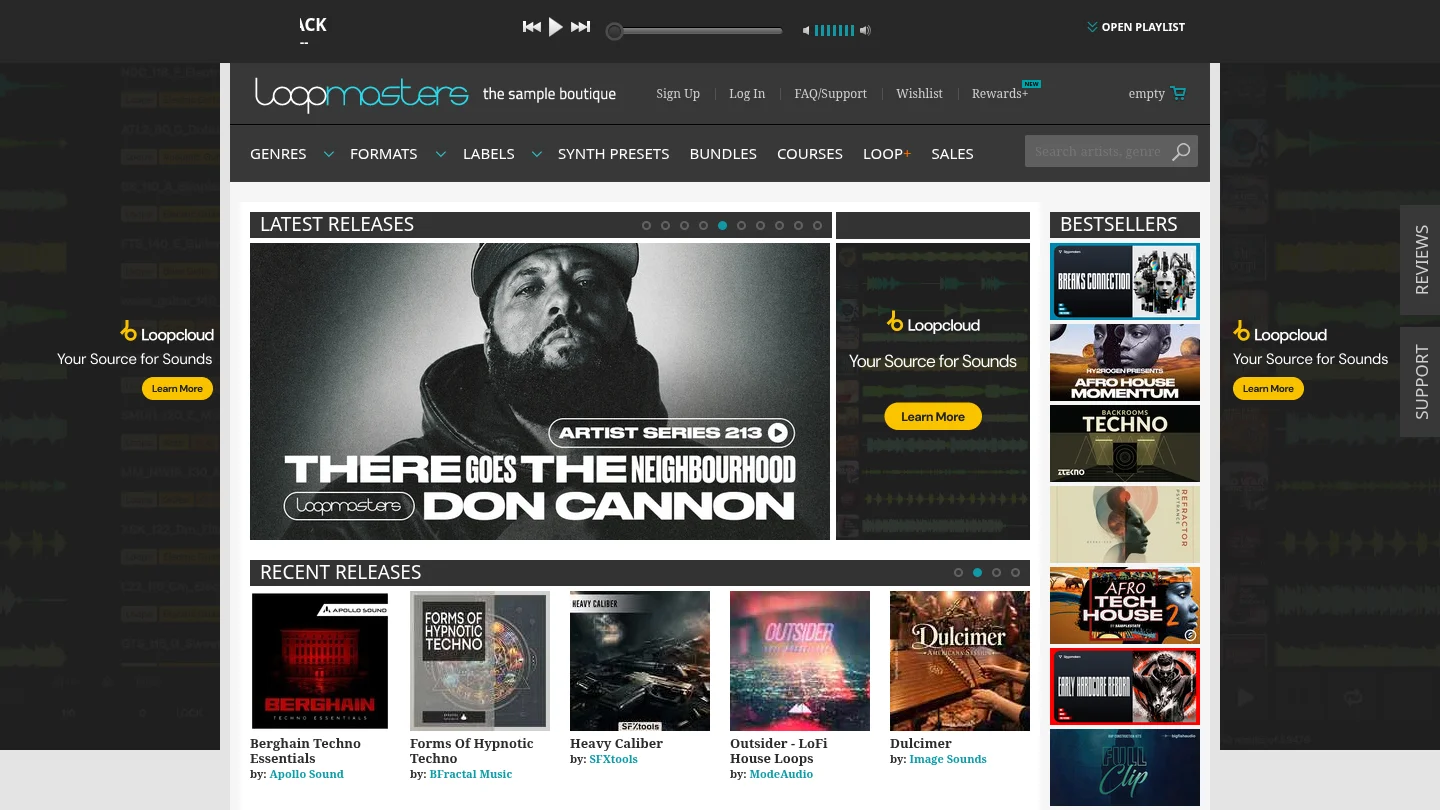
Best for: Producers who want royalty-free loops, one-shots, construction kits, instruments, and genre-based sample packs.
Loopmasters is primarily a commercial sample-library destination rather than one self-contained VST instrument. Its catalog is useful for adding drum loops, bass loops, vocal phrases, melodic fragments, one-shots, and construction elements to an existing setup. The material is organized for use in major DAWs and can work alongside Pendora, Serum, Vital, Omnisphere, or Kontakt.
The practical difference is whether you want audio files or playable presets. Loopmasters supplies material that you arrange, chop, stretch, layer, and process. Pendora supplies playable sounds inside a focused instrument and adds production assets around that workflow. If you want to play a melody from MIDI immediately, a dedicated VST sound bank is usually more direct. If you want to build a track from audio pieces, Loopmasters gives you more pack-level choice.
Our guide to the best trap sound banks is more relevant when your priority is a concentrated trap palette rather than a broad sample marketplace.
Pros:
- Wide coverage across loops, one-shots, instruments, construction kits, and production packs.
- Useful for adding vocals, drums, textures, and audio layers to an existing beatmaking setup.
- Royalty-free sample positioning supports commercial workflows under the terms of each pack.
Cons:
- It is mainly a sample-library destination, not one unified playable VST sound bank.
- Pack quality, format, content, and licensing details vary by individual product.
- Audio loops do not provide the same MIDI performance control as a dedicated instrument.
4. Splice
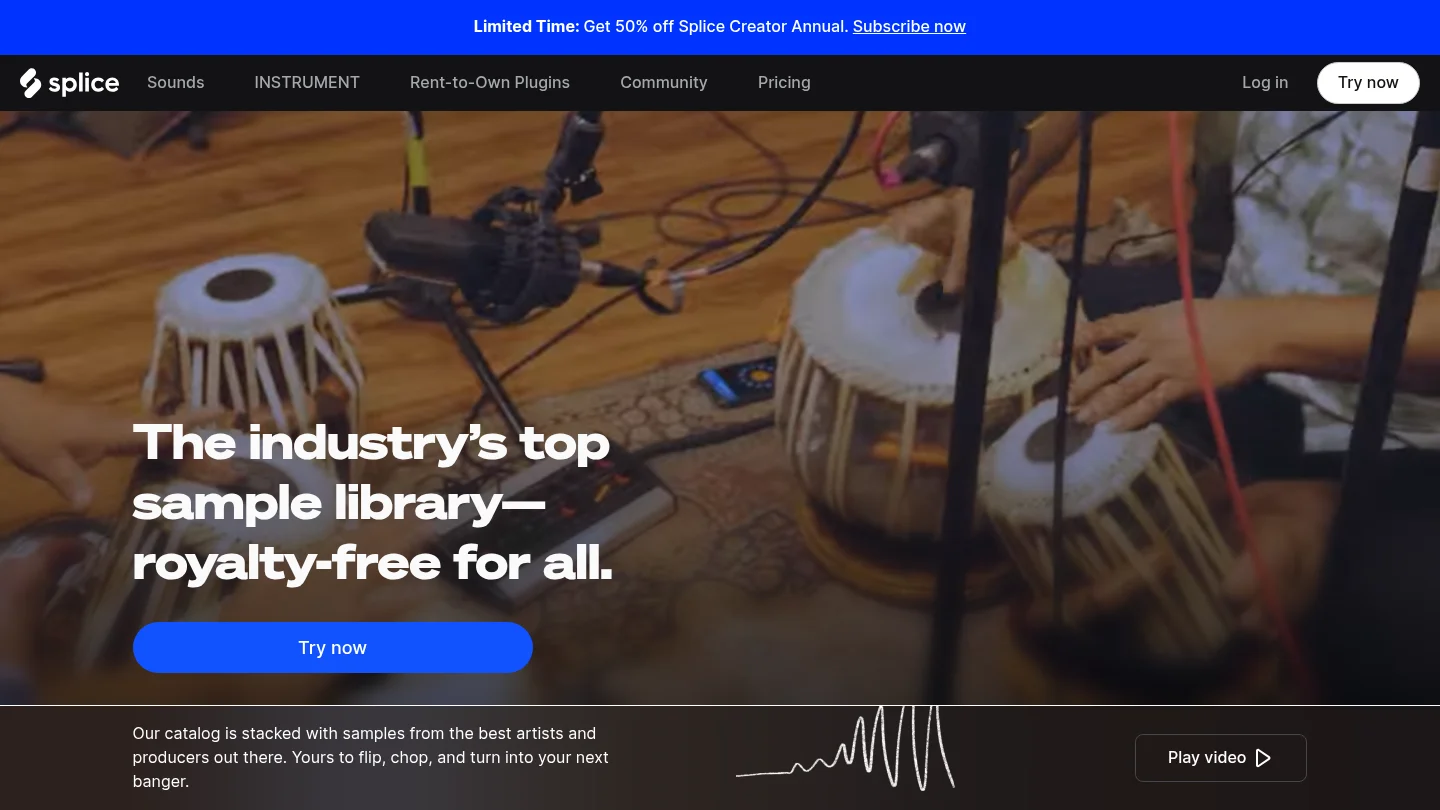
Best for: Producers who want subscription access to a large catalog of samples, loops, presets, MIDI, instruments, and selected plugins.
Splice is a subscription sound and plugin platform rather than a single owned VST sound bank. Its workflow centers on browsing a large catalog, previewing individual sounds, and bringing selected material into a DAW. This can be convenient for producers who work across many genres or want access to constantly changing sample content.
The main trade-off is the ownership model. Splice uses subscriptions and credits for access to its catalog, while Pendora is purchased once and retained under its licensing terms. Downloaded sounds may remain available under the platform's rules, but the browsing service itself depends on an active plan. Producers who prefer a fixed collection with a consistent sonic identity may find a focused bank easier to manage.
Pros:
- Large catalog of samples, loops, presets, MIDI, and instruments.
- Individual-sound browsing can be useful when you need a specific drum, vocal, texture, or melodic fragment.
- In-DAW tools can reduce the need to switch between a browser and the production session.
Cons:
- Subscription access creates an ongoing cost rather than one-time ownership of a fixed sound bank.
- A very large catalog can increase browsing time when you need a specific trap, drill, phonk, or pluggnb sound quickly.
- The platform does not provide the same concentrated preset identity as a boutique instrument built around one production lane.
5. BigSoundBank
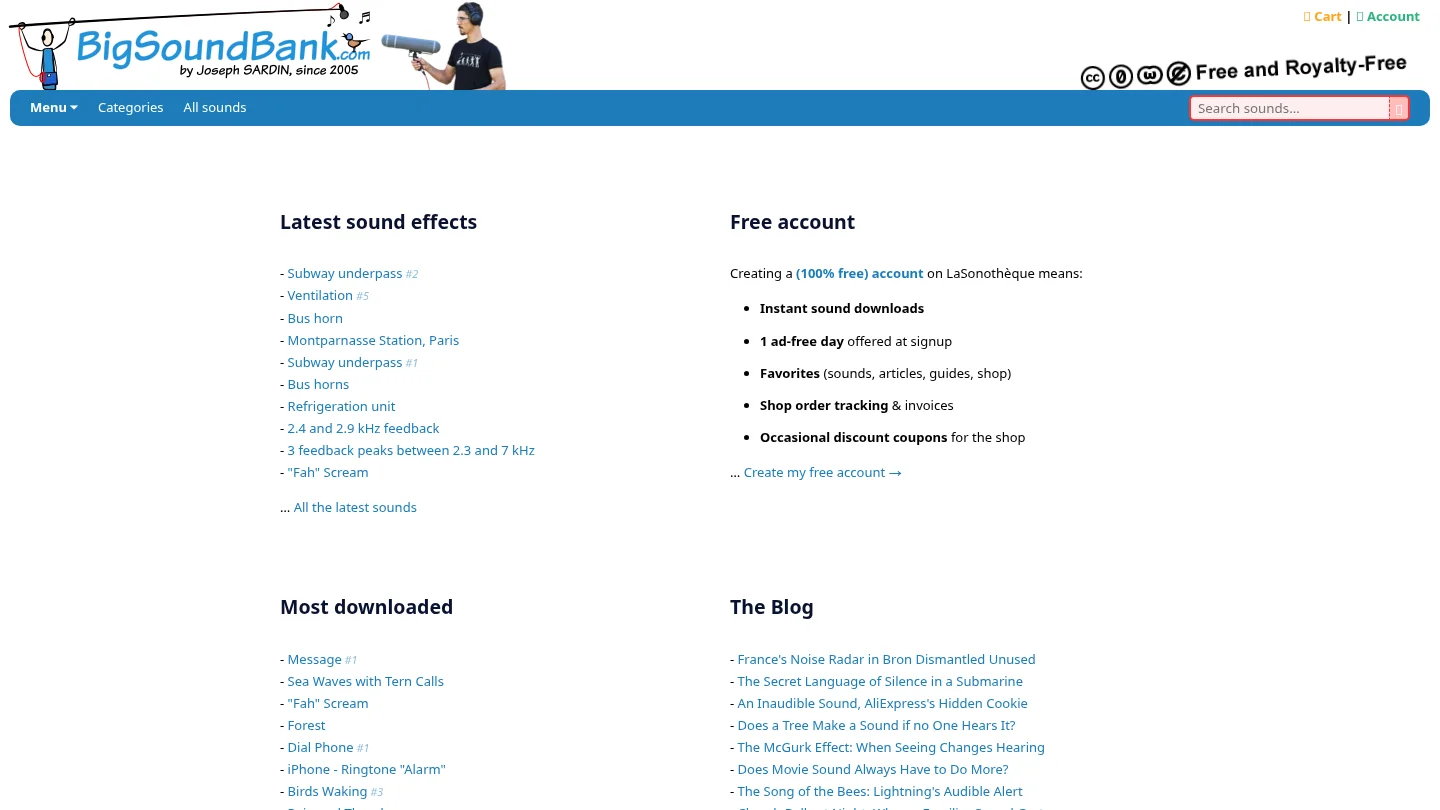
Best for: Producers, sound designers, and media creators who need environmental recordings, atmospheres, and sound effects.
BigSoundBank is better understood as a sound-effects archive and shop than as a melodic sound bank for beatmaking. Its catalog includes sounds such as transport recordings, environmental textures, alarms, voices, natural ambiences, and other effects. Those recordings can be valuable for intros, transitions, cinematic layers, interludes, lo-fi textures, and experimental production.
It is not a direct replacement for Pendora, Kontakt, or a trap-focused preset bank. A producer looking for bells, plucks, pads, 808s, playable keys, or MIDI melodies will need a different primary instrument. BigSoundBank becomes useful after the core musical material is already in place and you want a more distinctive atmosphere around it.
Pros:
- Useful source of environmental recordings, atmospheres, and sound effects.
- Can add location, texture, and cinematic detail to otherwise clean productions.
- Relevant for sound designers working beyond conventional musical instruments.
Cons:
- It is not primarily a playable melodic VST or complete beatmaking sound bank.
- It does not replace preset categories such as pads, bells, plucks, basses, or 808s.
- Licensing and shop conditions should be checked for each individual sound or product.
6. Cymatics and its PANDORA plugin
Best for: Producers comparing broad sample, preset, and plugin catalogs across electronic and hip-hop production.
Cymatics operates across downloadable sample packs, presets, plugins, and production resources. Its PANDORA plugin is a separate product from Pendora by Tiger-Sounds. The names are similar, but the companies, development teams, and product lines are unrelated. Pendora has been sold by Tiger-Sounds since 2020, while Cymatics PANDORA is a different plugin.
Cymatics can suit producers who want to browse a wide catalog rather than commit to one focused sound-bank workflow. However, product contents, prices, formats, and licensing terms vary across individual offers. Pendora is more direct for producers who want a consistent palette for trap, drill, phonk, dark trap, boom bap, lofi, R&B, and pluggnb without filling their browser with unrelated presets.
Pros:
- Broad range of samples, presets, plugins, and production-oriented products.
- Useful for producers who work across several genres and prefer a wider shopping catalog.
- PANDORA provides a plugin-based format rather than only loose audio files.
Cons:
- The broad catalog is not organized specifically around Pendora's focused urban sound palette.
- PANDORA and Pendora are separate products and should not be treated as interchangeable.
- Current content, prices, compatibility, and licensing conditions must be checked for each offer.
What should you verify before buying a sound bank?
Start with genre fit, not the largest preset count. If you mainly produce trap, drill, phonk, dark trap, boom bap, lofi, R&B, or pluggnb, a focused bank can be more useful than a huge collection filled with sounds for styles you rarely make. The right palette should help you create a melody, bassline, texture, or drum pattern without turning every session into a long browsing exercise.
Next, identify whether you are buying a preset bank, a synthesizer, a sampler, or a sample platform. Serum and Vital are synthesis engines. Omnisphere is a broad hybrid instrument. Kontakt is a sampler platform. Loopmasters and Splice are sample-focused ecosystems. Pendora sits closer to a complete genre-focused sound-bank workflow because its presets are supported by drums, MIDI, mix presets, effects, risers, and expansions.
Plugin compatibility is another important check. Steinberg's VST3 format documentation explains that VST3 packages use platform-specific structures, so a product listing should identify the supported operating systems instead of simply saying that a plugin is VST compatible.
On macOS, AU is a separate plugin framework. Apple's Audio Unit documentation describes AU extensions for macOS hosts, which is why Mac users should check whether a sound bank includes AU as well as VST3.
Host support also matters. Ableton's plugin format guide documents support for VST and AU formats, with AU limited to macOS in Live. For Pendora, the stated requirements are macOS 11 Big Sur or later, Windows 10 or 11, and 64-bit systems. VST3 is supported on Windows and macOS, while AU is supported on macOS, with native Apple Silicon support.
Finally, check commercial licensing and the ownership model. Pendora products are described as royalty-free for beats and tracks that customers sell, place, or license, with no additional royalties owed under the stated product terms. Account sharing and redistribution are excluded. The editions use one-time purchases rather than subscriptions, which can make budgeting simpler for producers who want to keep a fixed sound palette.
Final verdict on the best sound banks for 2026
The best sound bank depends on whether you need a focused beatmaking palette, a broad sampler ecosystem, audio loops, a subscription catalog, or sound effects. Pendora V3.0 ranks first for producers who want hand-crafted sounds across trap, drill, phonk, dark trap, boom bap, lofi, R&B, and pluggnb, with drums, MIDI, FX, risers, and expansion content included. Kontakt is better for sampled and orchestral instruments, Loopmasters for audio packs, Splice for ongoing catalog access, Cymatics for broad product browsing, and BigSoundBank for environmental effects. Choose the option that reduces unnecessary searching and fits your DAW, computer, budget, and licensing needs.
Start with a Focused Pendora Workflow
If generic presets and oversized libraries are slowing down your beatmaking, a focused instrument can provide a clearer starting point for melodies, basses, drums, and textures. Pendora is designed for producers working across trap, drill, phonk, dark trap, boom bap, lofi, R&B, and pluggnb.
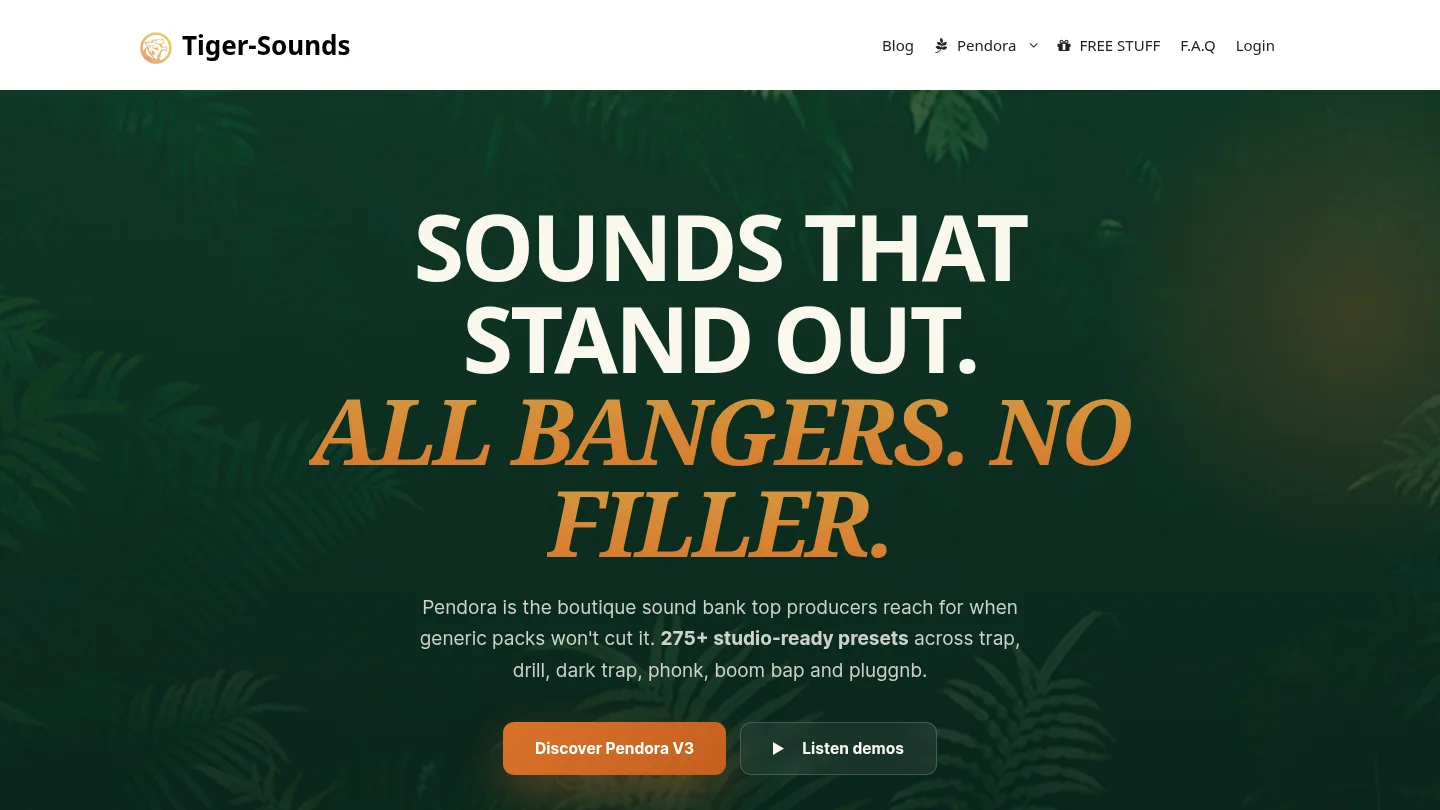
Our full sound bank includes hand-crafted presets, production kits, MIDI content, effects, and risers. It supports compatible VST3 and AU workflows, uses a one-time purchase model, includes free lifetime updates under the stated terms, and allows royalty-free commercial use for beats you sell, place, or license. Pendora sound bank
Frequently Asked Questions
What is the best sound bank for trap producers?
Pendora V3.0 is the strongest fit for producers who want trap, drill, phonk, dark trap, boom bap, lofi, R&B, and pluggnb sounds in one focused workflow. It combines playable presets with drums, MIDI, effects, risers, and related production assets.
Should I choose a sound bank or Serum?
Choose a sound bank when you want usable genre-specific presets quickly. Choose Serum when you want to design patches from oscillators, filters, envelopes, and modulation, then consider adding a focused bank for faster starting points.
Does Pendora work with FL Studio, Ableton Live, and Logic Pro?
Yes. Pendora supports compatible VST3 hosts on Windows and macOS and AU hosts on macOS, with explicit testing for FL Studio, Ableton Live, Logic Pro, Cubase, Pro Tools, and Reason.
Can I use Pendora sounds in commercial beats?
Pendora products are described as royalty-free for beats and tracks that customers sell, place, or license, with no additional royalties owed under the stated licensing terms. Account sharing and redistribution are excluded.
Is Pendora the same as Cymatics PANDORA?
No. Pendora is made by Tiger-Sounds, while Cymatics PANDORA is an unrelated plugin from a different company. The similar names do not indicate a shared product line or development team.